Tuesday, 31 January 2023

Smedmore 26 January 2023

We decided to revisit the Smedmore forest in the Umtamvuna Nature Reserve as there was a lot to be discovered.  It had rained profusely and although the rocks were covered in moss and lichen, we couldn't wait to explore the forest further down where we had seldom visited.  

The first discovery was the near threatened Gymnosporia vanwykii which was absent of its armed spines!  One could easily walk past this shrub without a second glance.

Two fortnights ago the hillside looked very different and now the Watsonia densiflorus were in flower their pink heads high above the grass and scattered amongst them was Alepidea penduncularis. The delicate heads of Indigastrum fastigiatum made the slopes a bank of pink.  We didn't waste time getting into the forest and tried to press on further than where we had been before.  

Bracken fungus grew on decaying trunks and fungi of all sorts had sprung up after the rains.  It was treacherous to walk as the forest floor was wet and the rocks slippery.  The forest seemed even more enchanting and this seemed the place where fairy tales arrived.  One totally expected to see elves and fairies pop out under mushrooms and ancient Tolken tree trunks.  One's heart is at peace in the forest and the silence is welcomed and has a great sense comfort in this busy world. 

It was again a day where we appreciated all that we had found.  Spirits were high and students eager to learn.  The day was filled with humor.  How lovely it is to both learn and laugh.


Gymnosporia vanwykii
CELASTRACEAE
Pondo Spikethorn
Near Threatened A2c; B1ab(iii)+2ab(iii)

Atalaya natalensis
SAPINDACEAE
Forest Krantz Ash
Near Threatened B2ab(v)

Every spider imaginable in the forest.

Watsonia densiflora
IRIDACEAE

Meandering down the slopes through the Watsonia's and Alepidea's and into the Smedmore forest. 


Alepidea peduncularis
APIACEAE


Bachmannia woodii
BRASSICACEAE
Four-finger Bush

Canthium spinosum
RUBIACEAE
Coastal Turkey-berry 

Carissa bispinosa
APOCYNACEAE
Small Amatungulu


Casearia astroafricana 
SALICACEAE

Cyphostemma hypoleucum
VITACEAE
Double-barrel Vine


Drypetes gerrardii var. gerrardii
PUTRANJIVACEAE
Forest Ironwood 

Fungi sp.

Garcinia gerrardii
CLUSIACEAE
Forest Mangosteen


Homalium dentatum 
SALICACEAE
Brown Ironwood

Ancient trees

The tree that holds all the secrets.

Tracy capturing fungi on the moist forest floor.


Bracket fungus

Looking up at the krantz above.

Mark looking up high above where it is quite impossible to ascend.

Simon, Uschi and Dorothy in studying the material Simon collected for ID's.

An old tree that rests upon a giant boulder.

A colossal boulder that rests in the forest.

This must be the giants throne.


Eugenia sp. 
MYRTACEAE
Simon keeping us all entertained with his sense of humour.  

Pachycarpus sp.
APOCYNACEAE


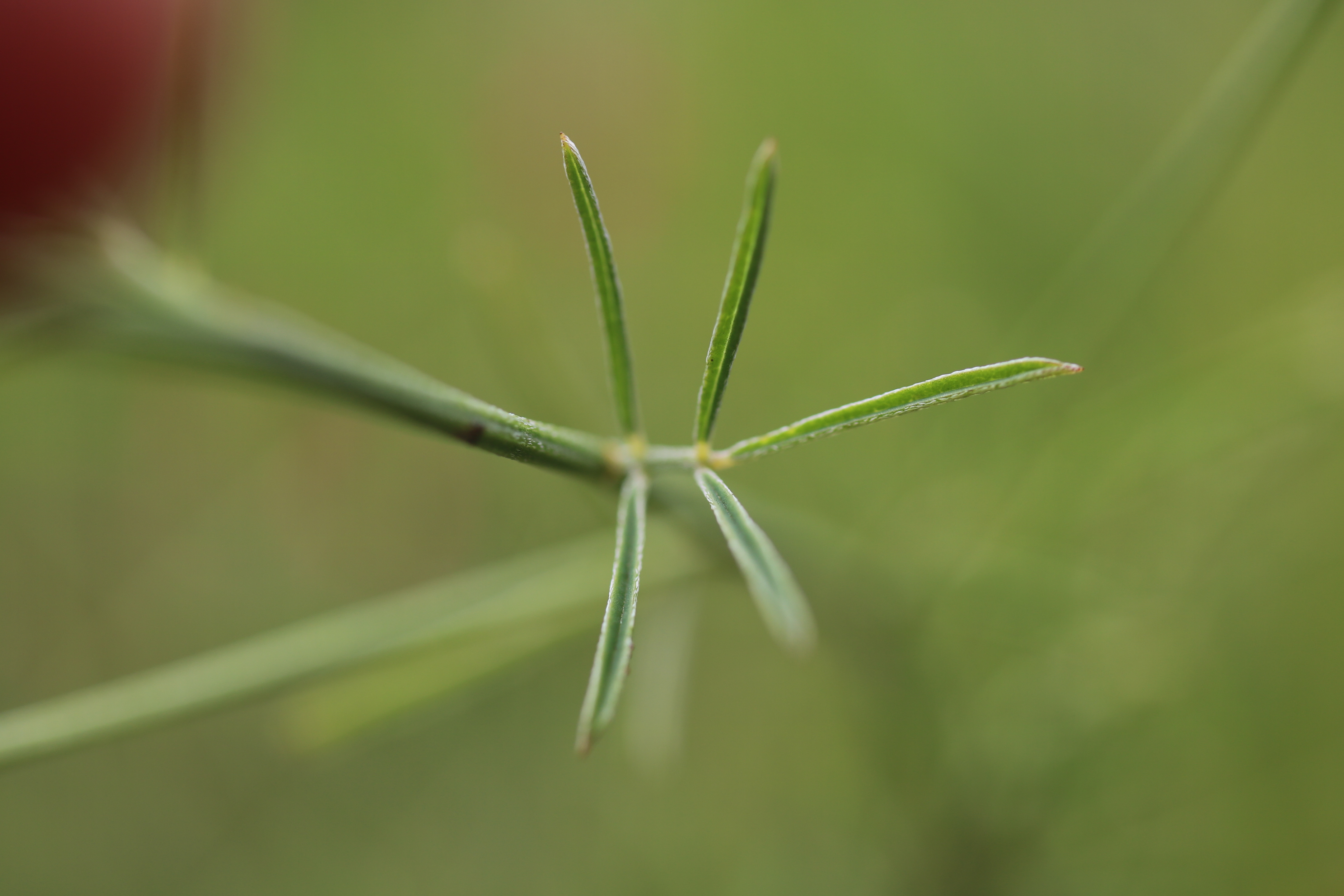
Indigastrum fastigiatum
FABACEAE
Slender Indigo 


Monsonia natalensis
GERANIACEAE


Olea capensis subsp. macrocarpa
OLEACEAE
Ironwood


Oxyanthus speciosus subsp. gerrardii
RUBIACEAE
Southern Whipstick Loquat 

Rawsonia lucida
ACHARIACEAE
Forest-peach

Rhoicissus tomentosa
VITACEAE
Common Forest Grape


Rinorea domatiosa 
VIOLACEAE
Pondo Violet-bush

Rinorea domatiosa and Rinorea angustifolia subsp. natalensis

Syzygium gerrardii 
MYRTACEAE
Forest Waterberry 


Trichocladus ellipticus subsp. ellipticus
HAMAMELIDACEAE
White Witch-hazel 

Vachellia natalitia 
Natal Thorn
FABACEAE

Oricia bachmannii
RUTACEAE
Twin-berry Tree 


Strolling reluctantly home.  

Pondoland C.R.E.W.

Bottom from left: Anne Skelton, Simon Hicks, Uschi Teicher,
Dorothy McIntyre, Hillary,
 Top from left: Tracy Taylor, Mark Getliffe and Gail Bowers-Winters


“If you would know strength and patience, welcome the company of trees.”

― Hal Borland


Wednesday, 25 January 2023

Clearwater Dam - Forest 19 January 2023


The quickest way to escape the sun, which was relentless, was to go from Maggie's dam at Clearwater and get straight into the forest.  The earth was scorching and even though hats were on heads, one didn't want to mess about with the heat.  With dust billowing in the air, we weaved between Macadamia trees and left our cars to bake in the sun.  Through an open rickety gate, we passed with a brief conversation about a roaming goat escapee and followed the path that led us into the forest.  Even though the sunlight was dappled we found ourselves on idle because once we had seen one leaf or a flower we were so captivated that the world that we knew dissolved and all was good.  

Although we had gone down this trail before, we had never not appreciated all that grew on these rocks and leaves were turned this way and that, every hair, elbow, gland dot and serration observed.  Lenses were taken out and if there's ever scrutiny it lay in the observation of the plant.  How wonderful it is to marvel nature and appreciate everything.  Be it the butterfly that dances and skips above the Cassipourea gummiflua var verticilliatus  and the bee that pollinates the Justicia campylostemon to give us honey.  No flower is too small not to be seen and if it is tiny its magnified by loupes which the naked eye cannot pick-up.  We have eagle eyes everywhere...

There's peace in the forest.  The group divides and then coalesces again.  Distant noises are heard and we respond, "Is everything OK?" after a broken branch is heard or a swear word escapes where one's hands are found covering one's ears.  Everyone is alive.  Exciting things such as the Ochna Pondo are being discovered, thank you to Simon’s sharp eyes in the forest.  This is an important group discovering species that are still being described or things that have not been seen in years.  Each week the passion and the knowledge deepens.  Our teachers are appreciated and vital.

How lovely is it to picnic- to take one's simple food out and eat it quietly beneath the canopy of trees, to have a waterfall nearby to stand under and to sit on cool hard rocks which are comfortable and to hear the chitter-chatter of CREW discussing what they've seen.  The samples are taken and laid out, the books opened, discussions had and questions answered.  It's an open-air school.  Eskom, politicians and politics are forgotten.  The focus is so direct it's like an eagle swooping in on its prey.

One of Simon's "takkie's" left questions and he was asked to go back and find another sample and Gail had to take her camera to record what he had found.  Be it a Eugenia sp. it was all exciting.  A Streptocarpus sp. (possibly formosa) too was growing on the rocks with seepage trickling down.  Cool and soothing.  Flowers were found dried lying on leaf matter of Calodendron capensis pink and beautiful.  Mystacidum aliceae clung to a tree, its miniscule flower dried and gone to seed.  Simon had found Pseudosalacia streyi which is now declared threatened because of habitat loss.  It's not surprising with the mass of Macadamias in the area.  How lovely it was to be able to see both the flower, seed and seed capsule on the plant.

It's quite something to have decided on a place to botanize and then discover endangered, near threatened and vulnerable species.  This makes our blood pump faster through our veins and when the world is consumed by other worldly noises, this is what is important.  Observing and conserving an environment which is almost lost.  We have to remember to respect our environment and to keep passing the knowledge down. 


Pseudosalacia streyi
CELASTRACEAE
Pondo Rock Lemon
Endangered B1ab(iii,v)+2ab(iii,v); C2a(i) 


3 veins from the bottom

Grewia pondoensis
MALVACEAE
Pondo Cross-berry
Status and Criteria:  Near Threatened B1ab(iii,v)+2ab(iii,v)


Eugenia umtamvunensis
MYRTACEAE
Thick-leaved Forest Myrtle
Status & Criterea:  Endangered B1ab(iii,v)+2ab(iii,v)

Mystacidium aliceae
ORCHIDACEAE
Status and Criteria:  Vulnerable D2

Cassipourea gummiflua var. verticillata
RHIZOPHORACEAE
Large-leaved Onionwood
Status and Criteria:  Vulnerable* A4acd


Cassipourea malosana
RHIZOPHORACEAE
Onionwood


Dalechampia capensis
EUPHORBIACEAE
Wild Hop


Drypetes arguta
PUTRANJIVACEAE
Water Ironplum 


Apodytes dimidiata subsp. dimidiata
ICACINACEAE
White Pear

Elaeodendron croceum
CELASTRACEAE
 Forest Saffron

Simon having a close inspection at a Eugenia sp.


Eugenia sp.
MYRTACEAE


Ficus craterostoma
MORACEAE
Blunt-leaved Forest Fig


Gymnosporia harveyana subsp. harveyana
CELASTRACEAE
Black Forest Spike-thorn

Observing all that was growing on the cliff's edge before heading down into the forest.

Eugenia sp.
MYRTACEAE

Simon and Dorothy looking at the tree book and going over keys and clues.

Alf observing the finer details on the leaf. 

The books come out after lunch and the "takkies" brought back are inspected closely to get identifications as to what was found.

Ancient fig roots enwrapping huge rocks.

Isoglossa ovata
ACANTHACEAE


Justicia campylostemon
ACANTHACEAE

Maytenus cordata
CELASTRACEAE

Mimusops obovata
SAPOTACEAE
Red-milkwood 


Rinorea angustifolia subsp. natalensis
VIOLACEAE
Narrow-leaved Violet-bush

Roella glomerata
Campanulaceae

Rothmannia globosa
September Bells 
RUBIACEAE


Streptocarpus sp.
GESNERIACEAE


Pondoland C.R.E.W.

Tracy Taylor, Dorothy McIntyre, Simon Hicks, Maggie Abbott, Anne Skelton, Alf Hayter & Gail Bowers-Winters

Let the waters settle and you will see the moon and the stars mirrored in your own being. - Rumi

Meaning: Find your passion and work on it, settle down in your life while doing what you are passionate about and you will notice everything will fall in the direction you want it to fall.