Like tightly folded petals we packed ourselves into vehicles and
in convoy set off through rugged terrain that was accessible before the rains
came and accessed Western Heights in the Umtamvuna.
The reserve had been torched and a week prior the veld that looked
like burnt toast now had turned golf green and was bursting into
flowers. As we drove each area seemed to be zoned for one particular
plant that thrived and we passed Gerbera’s, Watsonia’s, Boophone, Berkeya’s
in mass, and at the end of the road where we had chosen to botanise that
being the Iron Crown, Gladiolus inandensis flowered
profusely. Where ever one looked this delicate ivory flower
grew.
The view down the gorge was spectacular, the wind had held its
breath which was such a treat and as we tentively edged the gorge looking down
at the valley below where vultures soared above us and then swept down leaving
their down feathers floating upwards into the sky hovering like angel wings in
the light. Butterflies sipped nectar and bees buzzed. It was alive.
A Lanner Falcon flew high up with the vultures and then went plummeting down in
great G-force speed.
Eulophia parviflora was still tightly closed and Eulophia hians var.
hians caught everyone’s attention as did Orothochilus
leontoglossus which Anne luckily spotted growing shyly amongst all the
Gladiolus. The Boophone disticha were pushing out new
leaves and we had to be more patient in waiting for this spectacular flower to
bloom.
The sun was setting and we made our way back to Beacon Hill and
then found ourselves back on the path going to show the others who had not been
with us the week before Drimia depressa. This too was now
going over and setting seed. In a matter of a week one can miss flowers
that showed themselves and then hid themselves for another year. It’s a
chance of luck and simply being at the right place at the right time. Nature
waits for no-one. It truly is a game of hide and seek.
We could have stayed there for hours and joked about putting out
sleeping bags to see what flowered during the night, just in case we had missed
anything during the day. F.O.M.O. is a real thing in this group. This
truly is a group with a huge passion for flowers and going out each Thursday to
see what’s flowering now.
 |
| Orthochilus leontoglossus ORCHIDACEAE |


 |
| Senecio coronatus Woolly Grassland Senecio ASTERACEAE |

 |
| Anemone caffra Windflower RANUNCULACEAE |
 |
| Dimorphotheca sp. ASTERACEAE |
 |
| Drimia depressa HYACINTHACEAE |
 |
| Ornithogalum sp. HYACINTHACEAE  |
 |
| Gazania krebsiana ASTERACEAE |


 |
| Leobordea pulchra FABACEAE |

 |
| Berkheya speciosa ASTERACEAE |

 |
| Helichrysum aureum ASTERACEAE |
 |
| Alf |
 |
| C.R.E.W. botanising. |
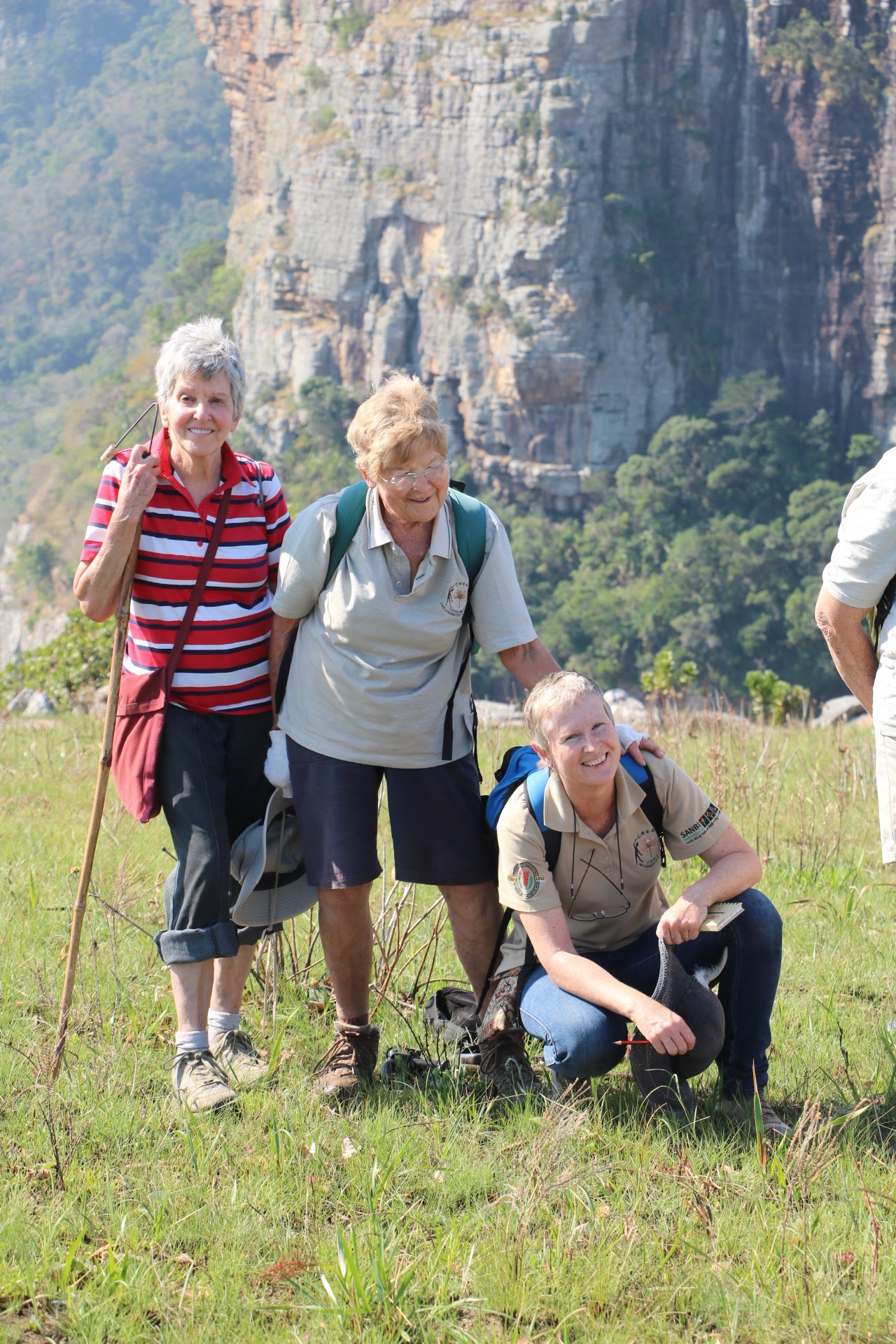 |
| Uschi, Dorothy and Tracy |
 |
| Mark |
 |
| Pentanisia prunelloides RUBIACEAE |

 |
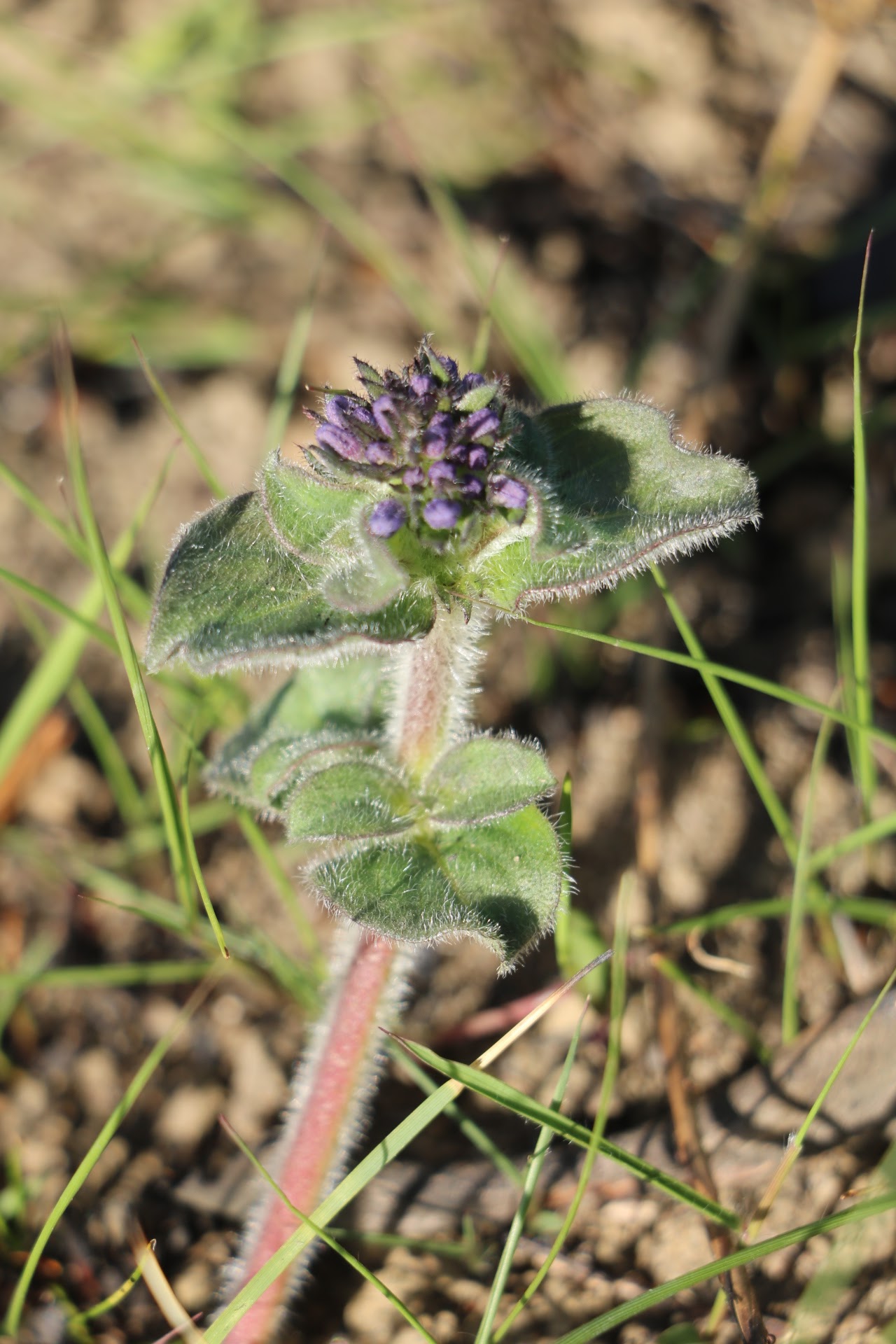
| Rotheca hirsuta LAMIACEAE |

 |
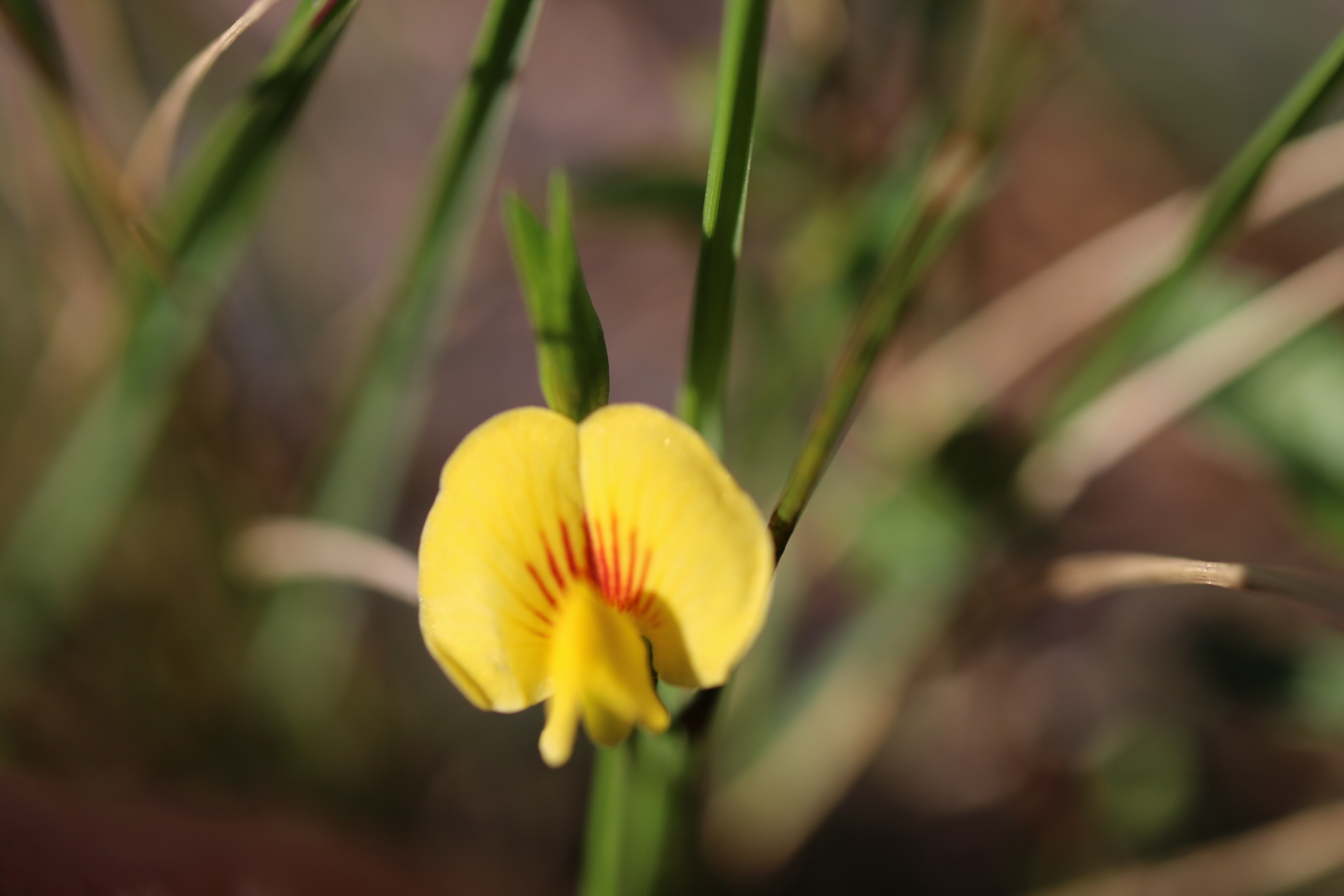
| Argyrolobium harveyanum FABACEAE |
 |
| Lasiosiphon triplinervis THYMELAEACEAE |


 |
| Pseudopegolettia tenella ASTERACEAE Bloukwasbossie |

 |
| Eriospermum mackenii RUSCACEAE Yellow Fluffy-seed |
 |
| Male plant |
 |
| Female plant |
 |
| Acalypha peduncularis EUPHORBIACEAE (Photo credit: Tracy) |

 |
| Tracy, Dorothy and Uschi |


 |
| Polystachya pubescens ORCHIDACEAE |
 |
| Gerbera natalensis ASTERACEAE |
 |
| Western Heights - The Iron Crown |
 |
| Lasiosiphon kraussianus var. kraussianus THYMELAEACEAE |
 |
| Indigofera rubroglandulosa FABACEAE |
 |
| Othonna natalensis ASTERACEAE |
 |
 |
| Gladiolus inandensis IRIDACEAE |
 |
| Thesium pallidum SANTALACEAE (Photo credit: Tracy) |
 |
| Drimia echinostachya HYACINTHACEAE |
 |
| Eulophia hians var. hians ORCHIDACEAE (Photo credit: Tracy) |
 |
| Ledebouria revoluta HYACINTHACEAE (Photo credit: Alf) |
 |
| Debbie, Anne and Alf admiring the Drimia depressa at Beacon Hill. |
 |
| Lanner Falcon |
 |
| Pondoland C.R.E.W. Uschi Teicher, Dorothy McIntyre, Tracy Taylor, Anne Skelton, Debbie King, Mark Getliffe, Af Hayter & Gail Bowers-Winters "I go to nature to be soothed and healed, and to have my senses put in order." —John Burroughs |


