Tuesday, 9 October 2018

Flowering now (October 2018)


Abutilon sonneratianum

Acalypha wilmsii

Adhatoda andromeda

Aeschynomene micrantha

Agelanthus gracilis

Ajuga ophridis

Albuca bracteata

Anacampseros rufescens

Apodytes abbottii

Arctotis arctodioides

Argyrolobium amplexicaule

Argyrolobium harveyanum

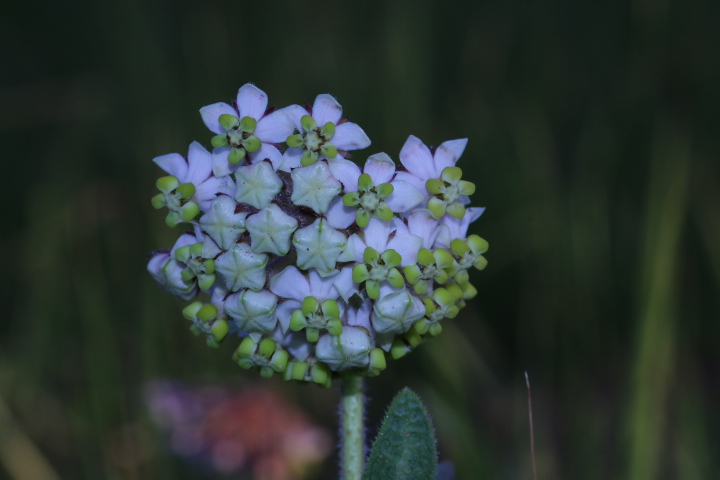
Asclepias albens

Aspalathus spinifera 

Aspidoglossum carinatum

Asplenium gemmiferum

Asplenium rutifolium

Bachmannia woodii

Baphia racemosa

Berkheya rhapontica
 
Brachycorythis ovata

Brachystelma australe

Brachystelma sandersonii

Bulbine capitata

Bulbine frutescens
.
Canavalia bonariensis

Canthium inerme

Canthium spinosum

Canthium vanwykii

Carissa bispinosa

Cassinopsis ilicifolia


Ceratotheca triloba

Clivia miniata

Cnestis polyphylla

Combretum bracteosum

Combretum kraussii

Convolvulus natalensis
 
Cotula nigellifolia

Crinum macowanii

Crotalaria globifera

Cynoglossum elongatum

Cynoglossum geometricum

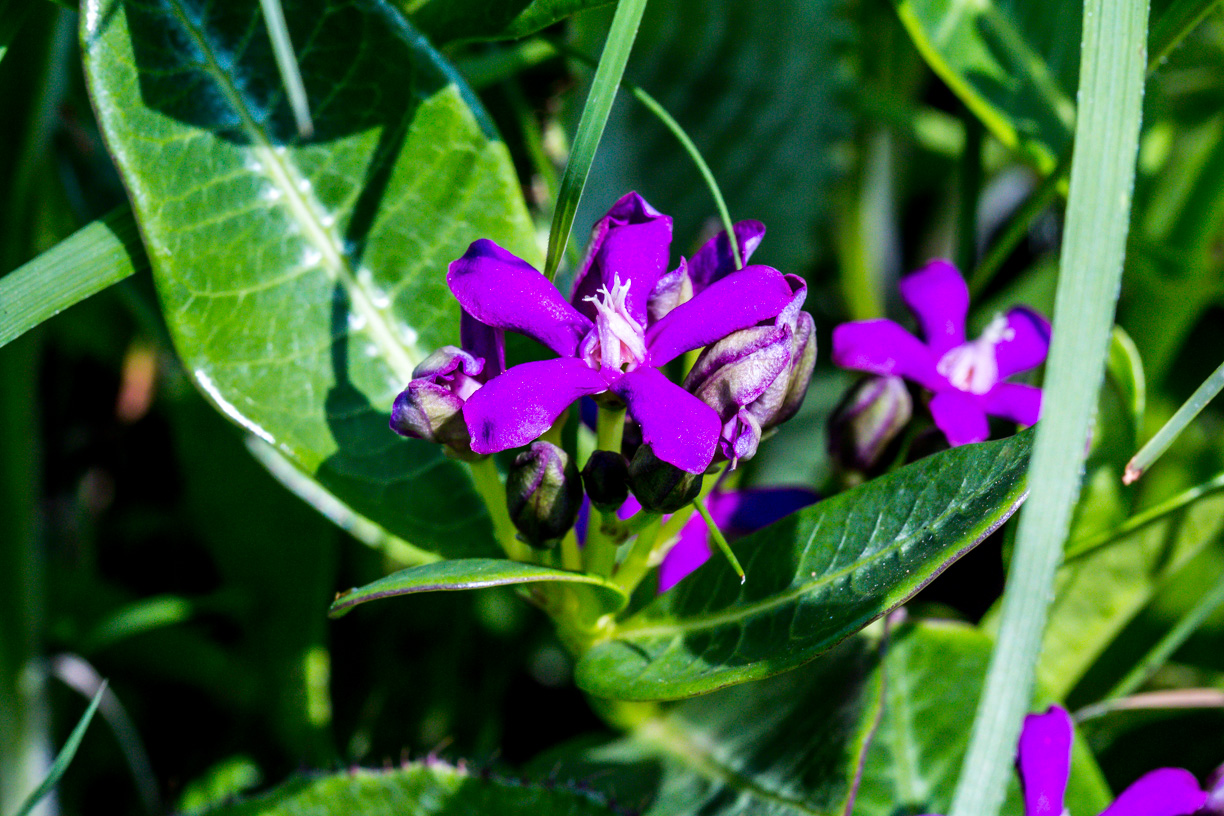
Cyphia longifolia
 
Dais cotinifolia

Davallia chaerophylloides

Delosperma lineare

Denekia capensis

Dianthus mooiensis (with bagworm)

Diospyros lycioides

Disa caffra

Disa woodii

Dolichos falciformis

Drimia uniflora

Ekebergia pterophylla

Eriocaulon dregei

Eriosema distinctum

Eriosema luteopetalum

Eriosema populifolium

Erythroxylum pictum 

Eucomis autumnalis

Euryops brevipaposus

Euryops chrysanthemoides

Freesia laxa

Gnidia coriacea

Grewia ocidentalis 

Gunnera perpensa
 
Gymnosporia bachmannii

Harveya pauciflora

Harveya speciosa

Helichrysum chionosphaerum

Helichrysum nudifolium subsp. oxyphyllum

Helichrysum spiralepis

Heliophila elongata

Heliophila rigidiscula

Hermannia grandistipula
 
Hibiscus calyphyllus

Hibiscus suratensis

Hilliardiella aristata

Hilliardiella nudicaulis

Hilliardiella pinifolia

Homalium rufescens

Hybanthus enneaspermus

Hypoxis colchicifolia 

Impatiens hochstetteri


Indigofera grata

Indigofera hilaris

Jasminum breviflorum

Justicia tubulosa

Kniphofia baurii

Kniphofia gracilis

Kniphofia ischopensis

Ledebouria petiolata

Leonotis leonurus

Leucadendron spissifolium subsp. oribinum

Lotononis meyerii

Maesa alnifolia 

Monopsis decipiens

Monopsis unidentata

Moraea stricta

Muraltia lancifolia

Ophioglossum polyphyllum

Ophioglossum reticulatum

Orthochilus ensatus (white form)

Orthochilus foliosus

Osmunda regalis

Othonna natalensis fruit head

Oxygonum dregeanum

Pachycarpus natalensis

Pelargonium alchemilloides

Pelargonium capitatum

Pelargonium pulverulentum

Pentanisia prunelloides

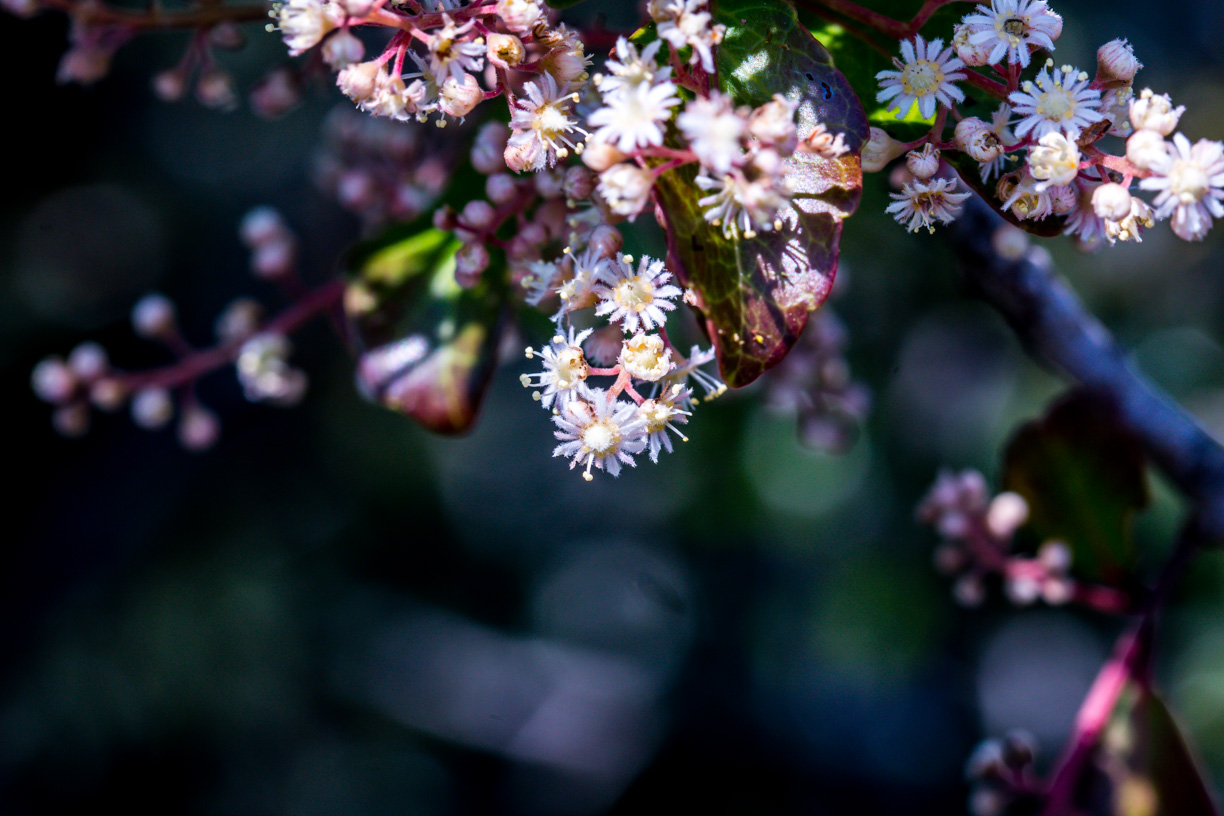
Pittosporum viridiflorum

Polygala macowanii

Polystachya sandersonii

Psychotria capensis

Ranunculus baurii 

Raphionacme galpinii

Rauvolfia caffra

Rhoicissus tomentosa

Rhynchocalyx lawsonoides

Rhynchosia cooperii

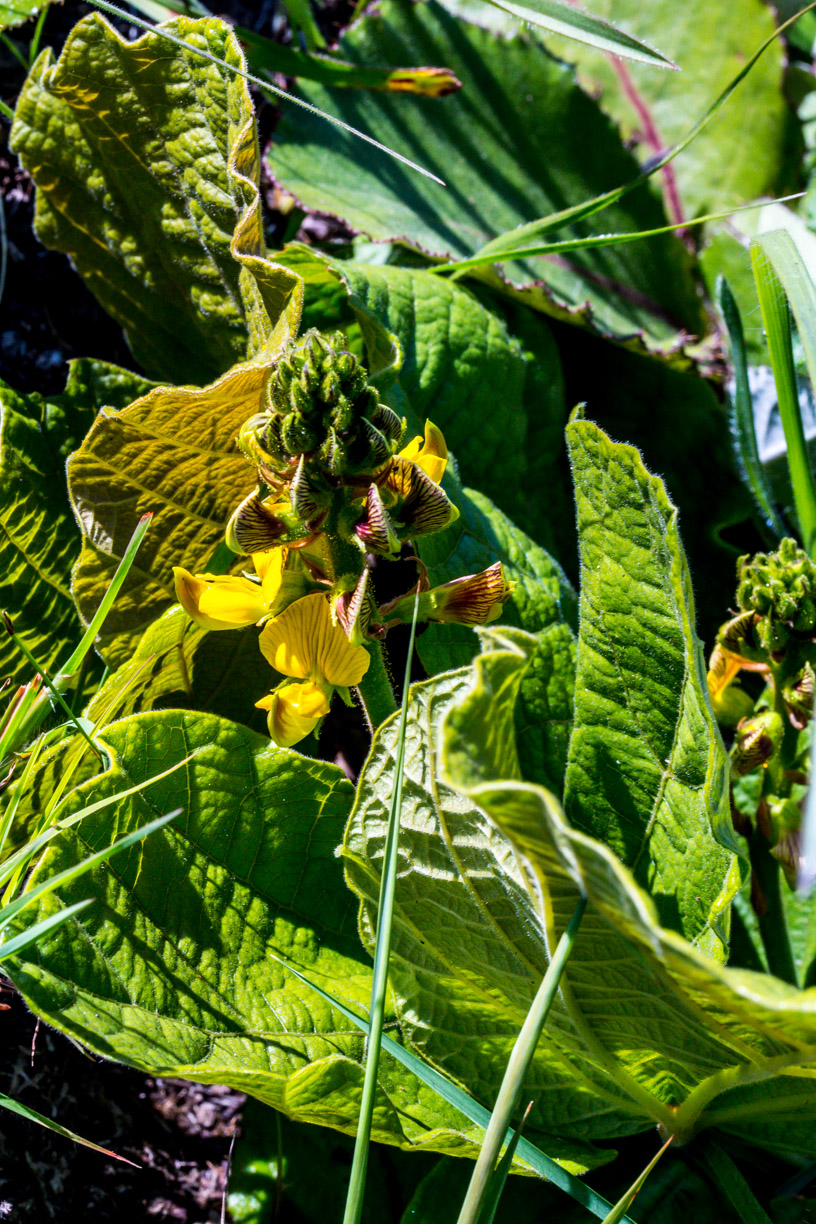
Rhynchosia villosa

Riocreuxia flanaganii var. alexandrina


Salacia gerrardii

Salacia kraussii

Satyrium rhodanthum

Satyrium trinerve

Searsia akocksii

Searsia lucida

Selago peduncularis

Senecio albanensis var. doronicifolia

Senecio erubescens var incisus

Senecio polyanthemoides

Senecio polyodon var. polyodon

Senecio variabilis

Sisyranthus trichostomus

Stephania aethiopicum

Strelitzia nicolai

Streptocarpus haygarthii

Strophanthus speciosus

Strychnos gerrardii

Syzygium cordatum
 
Syzygium guineense

Syzygium pondoense

Tabernaemontanum ventricosa

Tephrosia pondoensis

Tephrosia pondoensis
 
Thesium gypsophiloides

Thunbergia natalensis

Tragia sp.

Turraea pulchella

Utricularia livida

Utricularia prehensilis

Utricularia sandersonii

Valeriana capensis var. capensis

Vangueria infausta

Vangueria macrocalyx

Vigna vexillata var angustifolia

Watsonia inclinata


CREW planning meeting and Beacon Hill walk (Thursday 4 October 2018)

This Thursday we were joined by Suvarna Mohan Parbhoo and her team from the CREW office in Durban for our annual planning meeting. We went through the planning business while everyone had their tea. Survarna mentioned that we had already found 97 of the 126 species of conservation concern for "our area" and recognised that some of the remaining 29 species were unlikely to be found. She indicated that they were thinking of using this year's CREW Workshop venue for next year but received an alternative suggestion for consideration and she undertook to look into this further.

After a brief discussion about where we should walk and, having rejected the Clivia walk from Clearwater as possibly being slippery after the overnight rain, we decided to stay at Beacon Hill and walk through the firebreak areas again for the benefit of our big-city visitors.

We were soon among the tall Helichrysum ecklonis flowering stalks, admiring Leobordea pulchra and enjoying the swathes of Disa stachyoides. We could see a patch of pale plants in the distance and walking over to them, realised they were Leucadendron spissifolium subsp. oribinum, several of them sporting flowers.


Helichrysum ecklonis

Leucadendron spissifolium subsp. oribinum

We then reached the area where we had collected the specimen of Cyanotis last week - the odd root structure is proving to be an interesting puzzle as it seems none of the Cyanotis specimens in the Natal Herbarium in Durban resembles this. On this occasion the flowers, now more advanced, look more like Cyanotis speciosa but we will have to collect more material for other herbaria to compare against their collections.


Cyanotis sp.

Crossing the stream we continued up the next hill where there were many Hilliardiella nudicaulis. Up against a rock was a white-flowered Delosperma caespitosum.


Hilliardiella nudicaulis

Delosperma caespitosa
We walked over the brow of the hill and down into the valley where we have previously found thousands of Merwilla plumbea -- all that was left of these flowers was dried stalks, many with empty seed capsules. A small patch of Berhkeya rhapontica caught the eye with their tall, yellow-flowered inflorescences.


Berkheya rhapontica

As we worked our way down the next stream we came across the find of the day - a proud little Disa caffra in flower with several new buds in attendance. Not far away from this was a single Watsonia bachmannii, probably the last of these flowers for this season.


Disa caffra
On the opposite slope we found Argyrolobium harveyanum and Heliophila rigidiscula. Alerted by a sharp whistle, we saw a male Reedbuck standing watching us before bounding away.

Argyrolobium harveyanum

Heliophila rigidiscula

Alert male Reedbuck watching our approach
We stopped for lunch at a good vantage point to look down into the Bulolo River gorge - the cold front having passed over us last night, the air was crystal clear and the views impressive.

The view looking up the Bulolo River gorge


At our lunch spot there was a seep down a rock face where we saw Merwilla plumbea, Utricularia livida and U. sandersonii as well as several Drosera natalensis.


Utricularia livida

Utricularia sandersonii
Participants: Anne S, Colin T, Debbie K, Dorothy M, Gail B-W, Graham G, Kate G, Kaveesha N. Lutendo M, Mark G, Sarah B-W, Suvarna MP, Tracy T.

Monday, 1 October 2018

Beacon Hill firebreak flowers (Thursday 27 September, 2018)

Having seen that the firebreaks at Beacon Hill were well covered in flowers, we chose to walk there to see what other species were concealed amongst the more obvious Berkheya and Helichrysum. While some of the group were enjoying tea, the rangers showed us a pair of Vine Snakes mating close to the office. These snakes usually rely on their camouflage and will stay still even when approached and this pair was no exception.

With the snake excitement and tea over, we set off eastwards and were soon among the flowers. Watsonia mtamvunae and Aristea ecklonis were followed by a group of Leobordea pulchra. Up on the rocks was a Cyrtorchis arcuata coming into flower. We then found a few of a white form of Eulophia hians, which might require closer attention by a taxonomist.

A mating pair of Vine Snakes

Aristea ecklonis

Cyrtorchis arcuata 

Leobordea pulchra

Eulophia hians

A short distance further we found the first of the Disa stachyoides coming into flower - soon this area will be dotted all around with these delicate pink flowered herbs. From a distance Asteraceae dominate the grassland and it is only with a more than cursory look that other genera become evident.


Disa stachyoides

The floriferous grasslands

Down near the stream where the conditions are much wetter we found many Disa similis still in flower and scattered Merwilla plumbea. We also found what will possibly just turn out to be Cyanotis speciosa, although it is unusual to find these in such wet conditions and the flowers looked slightly different.  A specimen was collected for verification and we noted that the root structure is very different to that shown in the reference we consulted. Hiding among these purple flowers was a similarly coloured Raphionacme palustris.

On these slopes we also found a few of the Vulnerable species Drimia echinostachya. We found one or two Drosera natalensis in flower, while the first of the season's Satyrium longicauda flowers were standing proudly above the grass. Pale lemon-yellow flowers announced the presence of Senecio natalicola while Helichrysum ruderale towered over the other plants.


Cyanotis cf. speciosa


Drimia echinostachya

Drosera natalensis

Raphionacme palustris

Satyrium longicauda

Senecio natalicola

Helichrysum ruderale

Having seen what this section of grassland had to offer, we returned to the offices and set off in a northerly direction. We found a Podocarpus falcatus bearing cones at the side of the trail and soon afterwards came across a few small clusters of Scilla kraussii (now lumped with Merwilla plumbea). 


Podocarpus falcatus

Scilla (Merwilla?) kraussii

We then entered an area where the Endangered endemic Eriosema umtamvunense is the dominant species, with flowers varying from a rusty yellow to a dark orange. Walking up the slope we found several Convolvulus natalensis and a small group of the short-spurred form of Eulophia parviflora. Here we also found Chamaecrista comosa and Crassula vaginata.

Eriosema umtamvunense

Eulophia parviflora (Short spur form)

Convolvulus natalensis

Chamaecrista comosa

Crassula vaginata

Once at the top of the rise we found Asclepias praemorsa and a few Xysmalobium involucratum. Stachys nigricans lifted their white flowered inflorescences through the grass. We found a dense patch of Berkheya setifera growing near an old termite mound. At the side of a rock outcrop there was a colony of Kniphofia coddiana and growing in clefts in these rocks were a few Apodytes abbottii just starting to flower.

Asclepias praemorsa

Xysmalobium involucratum

Stachys nigricans

Kniphofia coddiana

Apodytes abbottii

Posing with the Berkheyas

We headed up to the rocky hilltop where we were lucky to find a single Disa sagittalis in flower - more buds were evident close by. Once on top of the rocks we found several small "gardens" where Scilla kraussii had taken root, sometimes accompanied by Polystachya pubescens. Another resident in one of these "gardens" was the odd-looking fern, Huperzia gnidioides.

It was a very rewarding short walk and although within easy reach of local residents, so few even seem to know of the existence of the Umtamvuna Nature Reserve. 

 
Disa sagittalis

Huperzia gnidioides

Polystachya pubescens

Participants: Anne S, Colin T, Dorothy M, Graham G, Kate G, Tracy T.