With the passion in this CREW group not even grey clouds and rain could stop us from looking to see what was flowering on this overcast day.
From a distance one could see the magnificent Brunsvigia grandiflora flowering in pink. Exochaenium grande and Exochaenium sp. nov grew in close proximity to each other which allowed one to see how different they were. What a delight it was to see Eulophia horsfallii growing with the flower head head high. As we meandered, we passed several Indigofera species and the veld below glowed in candle light yellow as the Lasiosiphon anthylloides were flowering in mass. A Sisyranthus virgatus managed to catch our attention, it’s so fragile it could easily be missed. To have a loop and look at the hairs in this flower was quite incredible. How wonderful nature is. The Alepidea can be confusing and the veld was abundant with these flowers that stood out in tip-ex white. Alepidea penduncularis flowers have five long bracts (or "petals") alternating with five short ones and the basal leaves are long. In comparison, Alepidea natalensis has only five flower bracts with occasional tiny bracts in between, the leaves are roundish and the bristles on the margins go all the way down the petiole. Alepidea natalensis occurs at higher altitudes and mostly inland. Its an important thing to remember as it often leaves us perplexed.
As we meandered home Alberta magna was magnificent, its red flowers more beautiful against the sombre sky and a tall Kniphofia parviflora grew isolated with all the petals growing up on the one side of its stalk. Gladiolus ecklonii flowered too. The speckled petals were beautiful. Rain drops began to gently fall and we headed home but before doing so we sat in the Beacon Hill office going through all of Simon and Tracy's takkies as they had ventured into the forest. Simon had a loop with a built in light, how incredible it is to closely inspect the glands and leaf margins to look at the leaf for ID. It's a good way to learn this way as we all go out and see different things and then to sit together and share what we saw and wrap up the day.
 |
| Alberta magna RUBIACEAE |
 |
| Stepping out along the trail at Beacon Hill in the rain. |


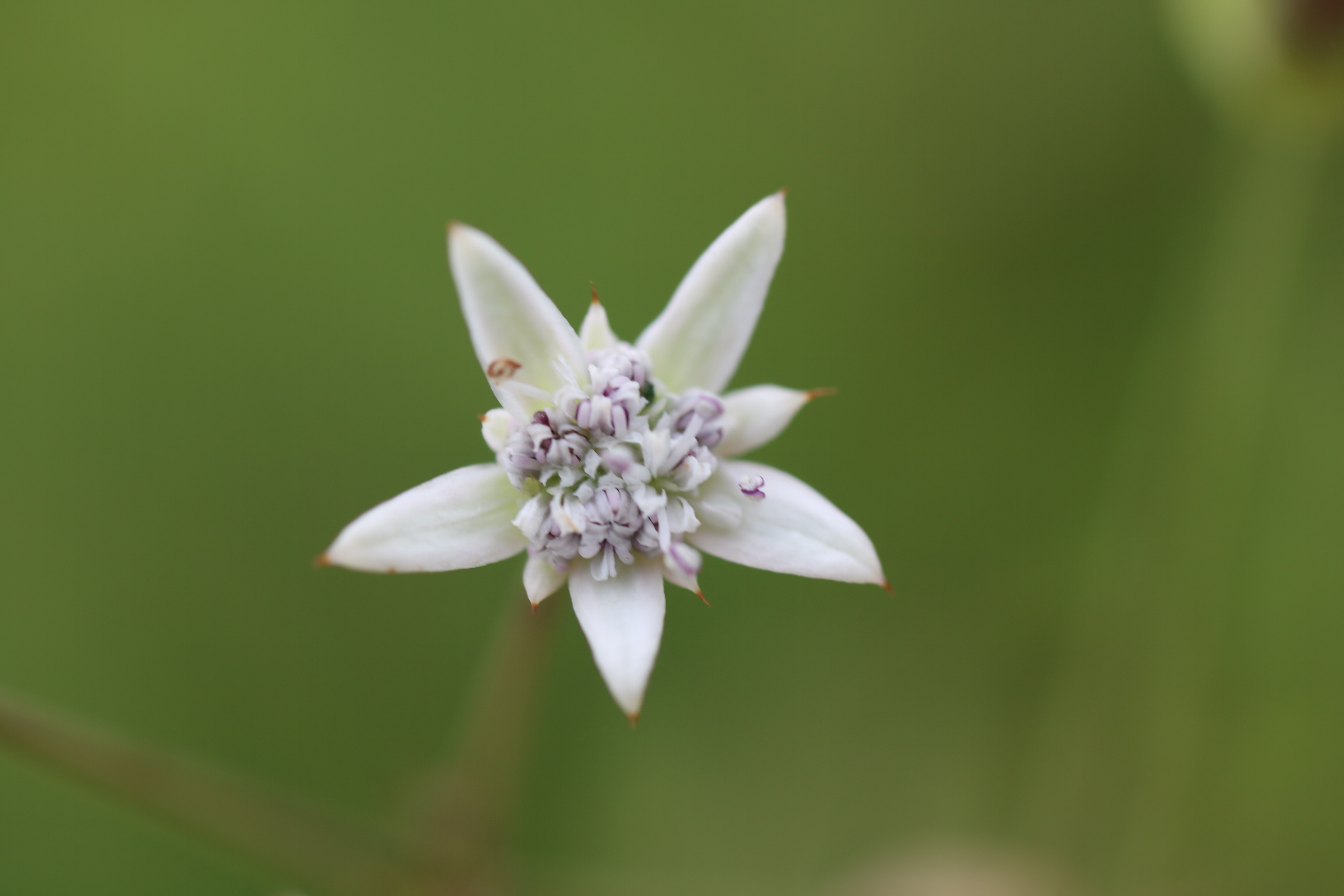 |
| Alepidea penduncularis APIACEAE The flowers are variable. |
 |
| Alepidea peduncularis APIACEAE |
 |
| Desmodium dregeanum (Grona caffra) FABACEAE |
 |
| Brunsvigia grandiflora AMARYLLIDACEAE |


 |
| Eulophia horsfallii ORCHIDACEAE |
 |
| Maggie and Dorothy walking down to the fields of flowers. |

 |
| Exochaenium sp. GENTIANACEAE |
 |
| Exochaenium grande GENTIANACEAE |
 |
| Exochaenium sp. nov GENTIANACEAE |


 |
| Gladiolus ecklonii |

 |
| Helichrysum herbaceum ASTERACEAE |
 |
| Hibiscus cannabinus MALVACEAE |
 |
| Uschi having a close look at Knipofia parviflora. |
 |
| Heading home joyfully. |

 |
| Indigastrum fastigiatum FABACEAE |


 |
| Indigofera tristis FABACEAE |


 |
| Indigofera wooddii var. laxa FABACEAE |
 |
| Kniphofia parviflora ASPHODELACEAE |
 |
| Lasiosiphon anthylloides THYMELAEACEAE |
 |
| Linum thunbergii LINACEAE |
 |
| Polygala refracta POLYGALACEAE   |

 |
| Sisyranthus virgatus APOCYNACEAE |

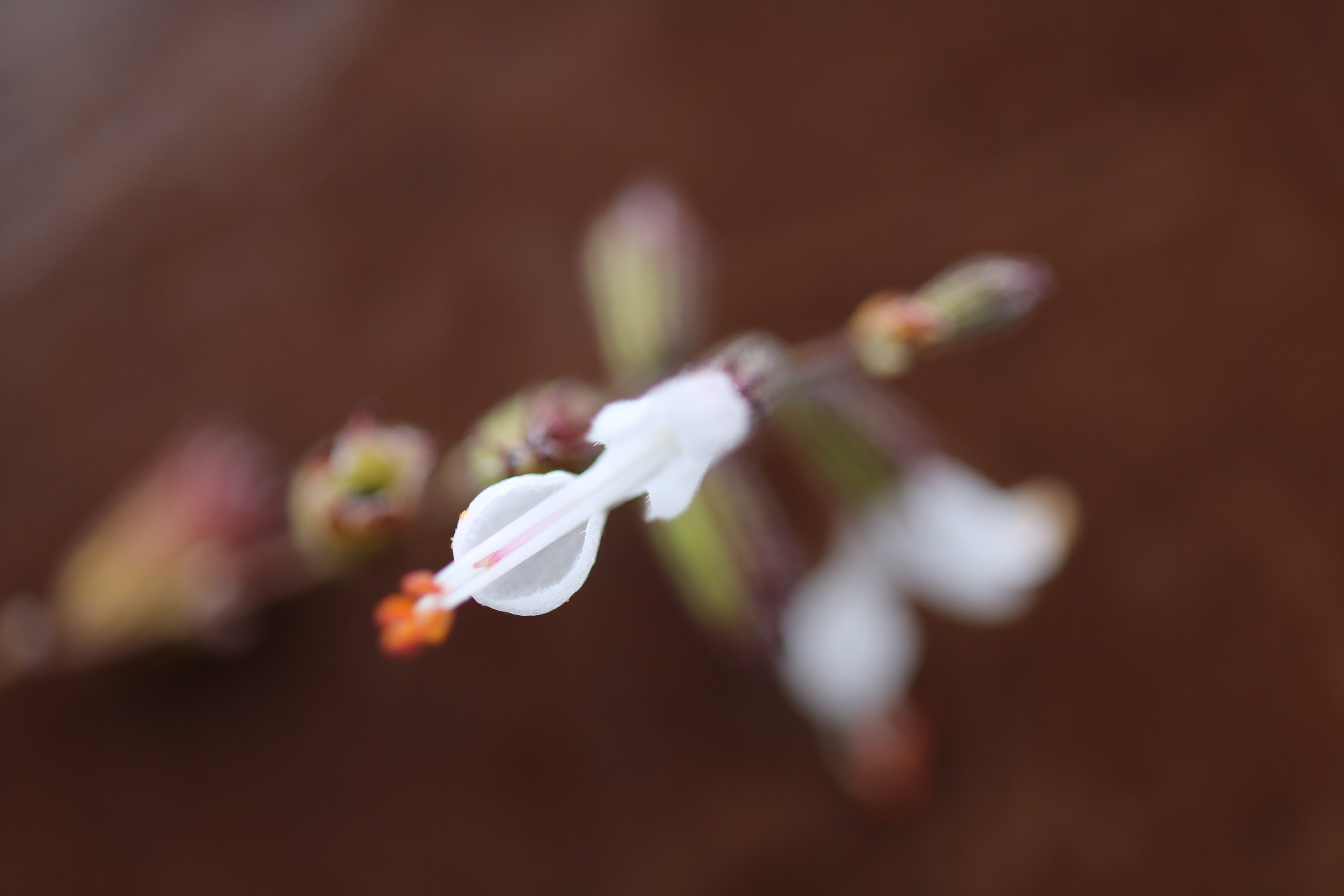 |
| Stachys aethiopica LAMIACEAE |
 |
| Xyris natalensis XYRIDACEAE |
 |
| Pondoland CREW Dorothy McIntyre, Hillary Henderson, Maggie Abbott, Tracy Taylor, Uschi Teicher, Simon Hicks, Anne Skelton and Gail Bowers-Winters "Only if we understand, will we care. Only if we care, will we help. Only if we help, shall all be saved.” — Jane Goodall |


