Sunday, 3 September 2017

Flowering now (September 2017)

It should be noted that these "Flowering now" posts are dealt with incrementally, i.e. new species are added as they are seen each month so readers will not necessarily see all species for the month with a single visit to that post. Also note that we try to avoid including species seen in the previous month, unless the species is particularly notable.


Abutilon sonneratianum

Acalypha glandulifolia (female)

Acalypha glandulifolia (male)

Acalypha sp. A (R Scott-Shaw)

Adenocline pauciflora

Agellanthus gracilis

Albuca virens

Anemone caffra

Argyrolobium baptisioides

Asclepias praemorsa

Aspalathus gerrardii

Aspidoglossum carinatum

Boophone disticha

Brachystelma australe

Bulbine capitata

Cassipourea gummiflua var verticillata

Chamaecrista comosa

Canthium suberosum

Coddia rudis

Commelina africana

Convolvulus natalensis

Crassula vaginata

Crotalaria virgulata

Cucumis hirsutus 

Cyrtanthus breviflorus

Cyrtorchis arcuata

Delosperma subpetiolatum

Denekia capensis

Dierama igneum

Dierama tysonii

Dietes grandiflora

Dimorphotheca fruticosa 

Dioscorea cotinifolia

Diospyros scabrida

Disa brevicornis

Disa similis

Disa stachyoides

Disa tripetaloides

Disa versicolor

Disa woodii

Drosera madagascariensis

Erica cubica

Erica cf. natalitia

Eriocaulon dregei

Eriosema kraussianum

Eriosema latifolium

Eriosema umtamvunense

Eriosemopsis subanisophylla

Euclea natalensis

Eulophia hians subsp. hians

Eulophia hians subsp. inaequalis

Euphorbia bupleurifolia

Euphorbia bupleurifolia fruits

Euphorbia flanaganii

Ficus burt-davey

Freesia laxa

Gerbera piloselloides

Gladiolus inandensis

Gnidia woodii

Grewia hispida

Grewia occidentalis

Gymnosporia rubra fruit

Haemanthus albiflos

Haemanthus deformis

Helichrysum diffusum

Helichrysum felinum

Helichrysum griseum

Helichrysum ruderale

Hesperantha baurii

Hesperantha hygrophila

Hibiscus fuscus

Hilliardiella hirsuta

Holothrix burchellii

Hypoxis argentea

Hypoxis costata

Hypoxis hemerocallidea

Hypoxis rigidula

Hypoxis villosus

Indigofera hedyantha

Ipomoea crassipes

Ipomoea plebia

Jasminum multipartitum

Jubaeopsis caffra fruits

Kniphofia baurii

Kniphofia coddiana

Kniphofia drepanophylla

Kniphofia littoralis

Kniphofia parviflora

Lagenaria sphaerica

Ledebouria cooperi

Ledebouria petiolata

Ledebouria revoluta

Leobordea pulchra

Linum thunbergii

Lotononis bachmanniana

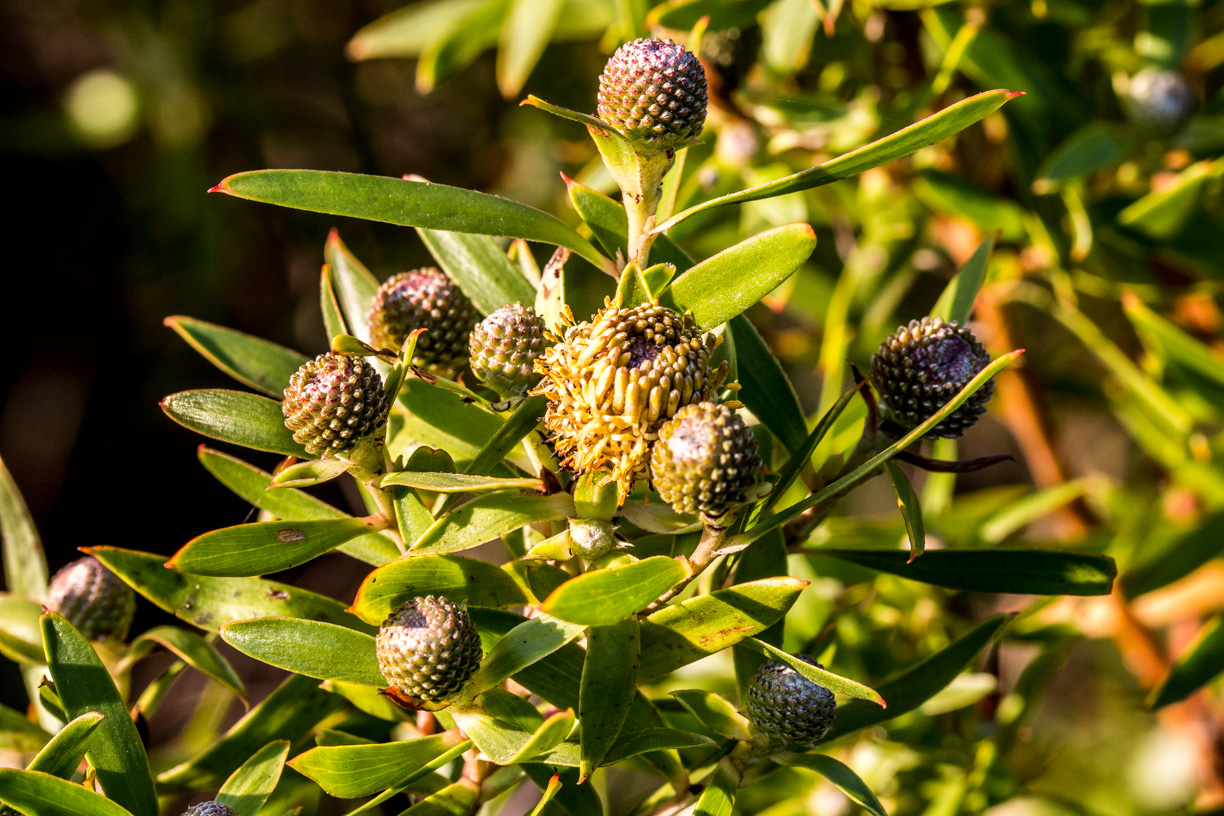
Leucadendron pondoense

Leucadendron spissifolium subsp. natalense

Lotononis viminea

Merwilla plumbea

Mitriostigma axilare

Muraltia lancifolia

Ochna arborea

Ochna serrulata

Osteospermum grandidentatum

Oxygonum dregeanum subsp. streyi

Pavonia columella

Peddiea africana

Pelargonium luridum

Pentanisia prunelloides

Phyllanthus heterophyllus

Pimpernella caffra

Polygala fruticosa

Polygala gracilenta

Pycreus nitidus

Rafnia elliptica

Raphionacme galpinii

Raphionacme palustris

Rotheca hirsuta

Rothmannia globosa - September bells

Searsia rudatisii

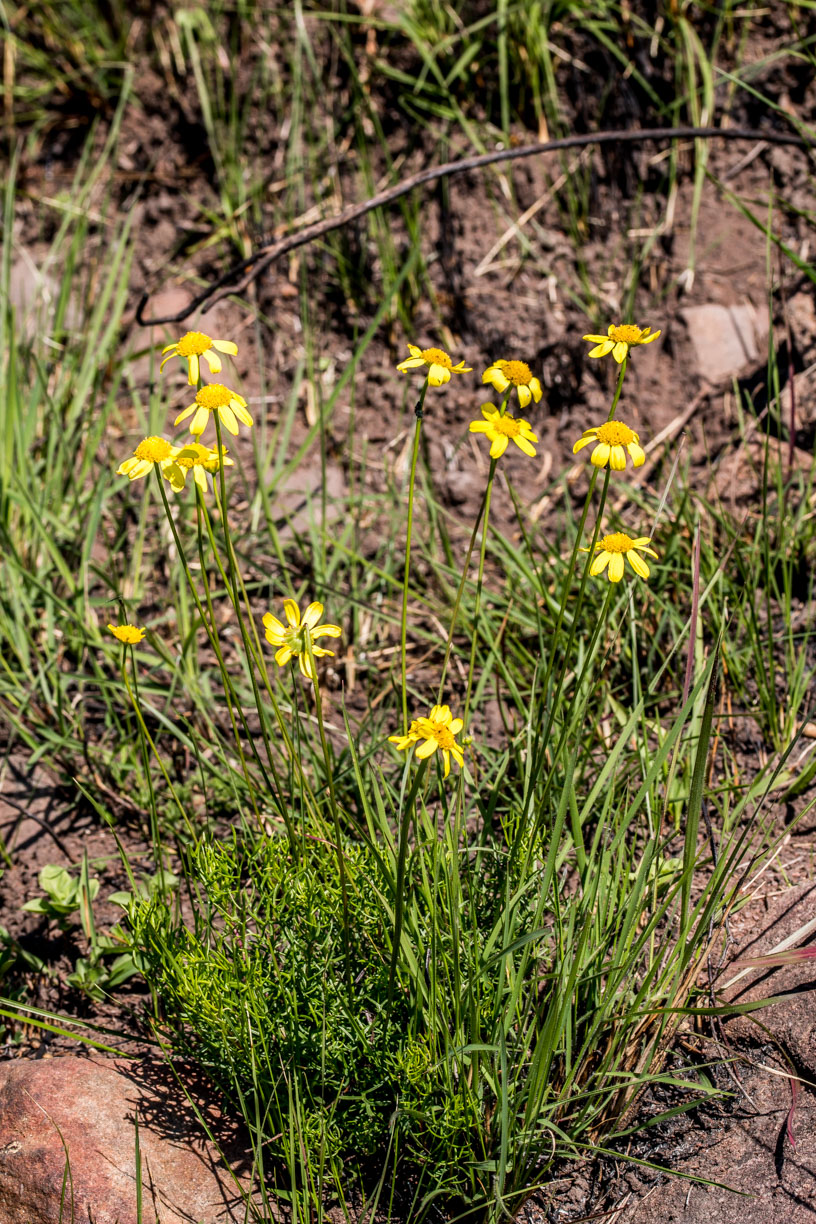
Senecio coronatus

Senecio heliopsis

Senecio natalicola

Sopubia simplex

Struthiola pondoensis

Tecomaria capensis

Thunbergia atriplicifolia

Thunbergia dregeana

Thunbergia natalensis

Trachyandra salti

Triglochin milnei

Tritonia gladiolaris

Ursinia saxitilis

Vernonia galpinii

Watsonia mtamvunae

Watsonia pondoensis

Wurmbea kraussii


Blown away by a display of Cyrtanthus breviflorus (Saturday 2 September 2017)

Spurred on by a visit by a well known orchid photographer, I decided to see what was flowering at the Western Heights, despite its having been burned only recently. But a first stop was at the Terraces as this fire break had been burned much earlier.

Although the Terraces was disappointing because of a total absence of orchids there was quite a lot in flower, with much more to come soon. On the banks of a small stream we saw numbers of spikes of Disa tripetaloides. On the adjacent steep slope we found Hesperantha baurii and there were many Merwilla plumbea nearby, both in flower and in bud.


Disa tripetaloides

Hesperantha baurii

Merwilla plumbea

Probably the most conspicuous flower in these grasslands was Graderia scabra showing small pink patches everywhere. There was even a single white morph of this species. Another less obvious but still eye catching species was Lotononis bachmanniana. Sopubia simplex was yet to be flowering at its best but from the numbers of buds on flower stalks, there will be a good showing from these in the weeks to come.


Graderia scabra (white morph)
 
Lotononis bachmanniana

Sopubia simplex

Skirting the cliffs above the Umtamvuna we saw several Vernonia galpinii amongst the rocks.


Vernonia galpinii

Then on to the Western Heights where we parked just inside the reserve gate and walked westwards past the Swamp Forest. The "freshly" burned section is yet to show much sign of life although buds are just starting to emerge from the Merwilla plumbea bulbs. However the firebreak along the fence line, having been burned a few weeks earlier, was looking much better and it was not long before we started finding orchids. Although these were common species such as Eulophia parviflora and Eulophia hians they were there in good numbers. We also saw a few spikes of Satyrium longicauda but none with open flowers.

Also seen along this section were Eriospermum cooperi and several Senecio natalicola. Hugging the ground we found a Rotheca hirsuta.


Eriospermum cooperi m

Senecio natalicola

Rotheca hirsuta

We crossed the stream looking at more Disa tripetaloides and then noticed a few Cyrtanthus breviflorus flowering. Gazing around it soon became obvious that there was a mass of several thousand (perhaps tens of thousands) Cyrtanthus breviflorus popping up on the edges of this wetland area - a very impressive sight that is probably not adequately captured in the photo below. Suffice it to say that in the lower photo, all the yellow shades (and not only those in the foreground) are more of these flowers. This is a fire-stimulated species but I have never encountered a mass flowering of this species like this before - a great privilege!


Cyrtanthus breviflorus

Cyrtanthus breviflorus in mass
Participants: Graham G, Herbert S.

Post-fire visit to Red Desert Nature Reserve (Thursday, 31 August 2017)

Although 1st September is regarded as the start of spring, those rules do not apply in our area as we have been enjoying spring flowers for some weeks. As it was seven weeks since we saw the arson fire at the Red Desert Nature Reserve, we decided enough time had elapsed for the new flush of growth to warrant a visit.

We started seeing flowers as soon as we walked through the gate with clusters of Lasiosiphon kraussianum and Helichrysum griseum catching the eye. Interspersed amongst these were many Hypoxis hemerocallidea and Hypoxis argentea.


Lasiosiphon kraussianum

Helichrysum griseum
 
Hypoxis hemerocallidea


Hypoxis argentea

It was clear that although a lot was flowering, much more would be coming out soon. We crossed a small, tree lined, watercourse - dry at present - and paused to uproot a number of small Grevillea banksii, an invasive alien species that is going to require a lot of work to eradicate from this reserve. Once back out into the grassland we came across the first of the expected orchids - a Disa similis.


Disa similis

A short distance further we found Raphionacme galpinii in flower and saw Ipomoea crassipes. Close by was an Oxygonum dregeanum subsp. streyi, this subspecies being categorised as Endangered and recognisable by the red coloured roots

Raphionacme galpinii

Ipomoea crassipes

Oxygonum dregeanum subsp. streyi

Getting a close look at the Oxygonum

Then we walked up to a saddle between two small hills where we saw the first Kniphofia for the day. We were to see several more of these on this walk; this species keyed out subsequently to be Kniphofia baurii.

Kniphofia baurii

We moved down the slope into a wetland where we found a few more Disa similis but far fewer than in previous years. Perhaps the timing of the burn was not optimal for this species. Also in the wetland we found a single Wurmbea kraussii, many Ledebouria cooperi and the first Satyrium longicauda for this spring season. There were also several flowers of Drosera madagascariensis protruding above the grass.


Wurmbea kraussii

Ledebouria cooperi
 
Drosera madagascariensis

We crossed the wetland and walked over a rise where we found several Dimorphotheca fruticosa and clumps of Merwilla plumbea. On some rock outcrops we found Ledebouria revoluta  and Haemanthus albiflos fruits.

Merwilla plumbea

Ledebouria revoluta

Haemanthus albiflos fruits

Dimorphotheca fruticosa

We started heading back towards the vehicle as a cold pre-frontal north-westerly wind had started buffeting us. On the way we saw a Cucumis hirsutus in flower. We paused to catch our breath in the lee of a ridge and used the time to uproot more Grevillea banksii and Hakea sericea.

Cucumis hirsutus

Participants: Anne S, Debbie K, Gail B-W, Graham G, Kate G, Maggie A, and Uschi T.


Basic botany exposure for the Beach Stewards (Wednesday 30 August 2017)

In discussion with Liseka Gqumani, we agreed to run a basic botany workshop for the whole team of Beach Stewards after their mid-year module courses. With the cooperation of KZN Wildlife we were able to do the workshop at Beacon Hill.

Armed with examples of fresh plant specimens from our gardens we greeted the 18 students as they arrived in probably the biggest bus ever to visit Beacon Hill. Having given them a chance to have tea, we started the workshop by discussing the parts of a flower, and how that helps to identify the family to which the plant belongs. The students were given a opportunity to examine a "daisy-type" flower in detail to see the structure of this composite inflorescence. Then we moved on to leaf shapes and types again providing the students with examples to look at.


Looking at the parts of a flower

Having covered these two aspects of a flowering plant we set the students a practical challenge - to go outside into the adjacent grassland, track down a "daisy-type" flower and examine its flower and leaf shape and then see if they could identify the plant in copies of Elsa Pooley's "A Field Guide to Wild Flowers KwaZulu-Natal and the Eastern Region". We wandered amongst the groups providing a little guidance where needed and eventually all the groups managed to identify their chosen plant to species level.


Concentrating carefully in tracking down the identity of their plant

Having helped them familiarise themselves with using reference books to identify plants, we then took the students out for a broader exposure to the plants flowering in the grassland at Beacon Hill. One of the first special plants we came across was a small cluster of the endemic Watsonia mtamvunae.

Some of the students were intrigued to learn that some plants are either male or female and Acalypha peduncularis was used as an example. There was great jubilation when we found a female plant after coming across many males. We then showed them an impressive display of Merwilla plumbea on a lower slope in a wetland.  
 
Watsonia mtamvunae

A haze of Merwilla plumbea


We skirted around the wetland and walked down the path to give the students a chance to look down into the Bulolo River gorge below us. On the way we could look at the small group of the Critically Endangered Brunia trigyna which had been re-established at Beacon Hill - a good example to illustrate active population management in answer to a question which had been raised during the workshop.


Brunia trigyna - an example of a re-established endangered plant

After getting back to the hall we wrapped up the workshop session encouraging the students to keep their eyes open for unusual plants and to send us photos if they wanted to know the identity of something they had found. Hopefully through this process we will have more eyes out there looking for the kind of plants that CREW is interested in.


Participants: 

CREW - Anne S, Graham G, Kate G.
Liseka G (WESSA program coordinator) and Beach Stewards