Wednesday, 24 January 2024

Beacon Hill 9 November 2023

From Beacon Hill we meandered to The Beacon and beyond where we found these South African endemics; Haemanthus albiflos, Asclepias praemorsa, Brachystelma australe, Diospyros villosa var. villosa, Syncolostemon rotundifolius. 

Caesia contorta leaves are grass-like and the flowers sparse. They only open in the afternoon.  The Latin word "torus" means winding which refers to the twisting of the tepals as they wither.  They are found on the flats and stony slopes and flower between November to March.

Caesia contorta 
HEMEROCALLIDACEAE
South African endemic

Delosperma subpetiolatum 
AIZOACEAE
Vulnerable B1ab(ii,iii)+2ab(ii,iii)
South African endemic

Cineraria albicans 
ASTERACEAE

Asclepias praemorsa is from the Milkweed family.  It has long, thin stems and small white flowers and grows in dry sandy well drained areas.  It’s drought tolerant. Its an ornamental plant and is is used in traditional medicine.  It can be grown from seed.

Asclepias praemorsa
APOCYNACEAE
South African endemic

Brachystelma australe can be found on sandstone rock shelves. "Brachys"is a Greek word meaning short.  "Stelma" refers to the crown, garland, wreath, alluding to the short meandered corona of some species.  "Australis" is a Latin word meaning "South", and it may refer to South Africa or the Southern Hemisphere.


Brachystelma australe
APOCYNACEAE
South African endemic


Olea capensis subsp. enervis
OLEACEAE 

Our Maggie.


Protea caffra subsp. caffra
PROTEACEAE

Diospyros villosa var. villosa
EBENACEAE
Hairy Star-apple
South African endemic

Syncolostemon rotundifolius
LAMIACEAE
South African endemic

Haemanthus albiflos
AMARYLLIDACEAE
South African endemic

Pondoland C.R.E.W./The Thursday Group
Hillary, Maggie, Dorothy, Anne and Gail


Red Desert 16 November 2023

We met at Red Desert and avoided the marsh land for we would have found ourselves knee high in squishy red clay  and probably on our bottoms stuck there forever.  Red Desert is always a rewarding place to botanise and today we came across these South African endemics;  Rafnia elliptica, Heliophila subalata, Aspalathus chortophila, Heliophilae elongata, Oxygonum dregeanum, Hilliardiella nudicaulis, Watsonia pillansii, Prionium serratum, Hypoxis colchicifolia and Acrolophia cochlearis.

The orchids we saw were Brachycorythis pubescens, Pterygodium sp., Satyrium sphaerocarpum, Satyrium longicauda var. longicauda and Acrolophia cochlearis. 

We were not able to take a group photo as lightening bounced around the hillside and we tried to scuttle as fast as we could back to the safety of our cars. It was a rewarding day nevertheless.


Acrolophia cochlearis  or Eulophia cochlearis
ORCHIDACEAE
South African endemic


Brachycorythis pubescens
ORCHIDACEAE


And we off...

Red Desert


 Heliophila rigidiuscula 
BRASSICACEAE


Rafnia elliptica
Rafnia elliptica
South African endemic

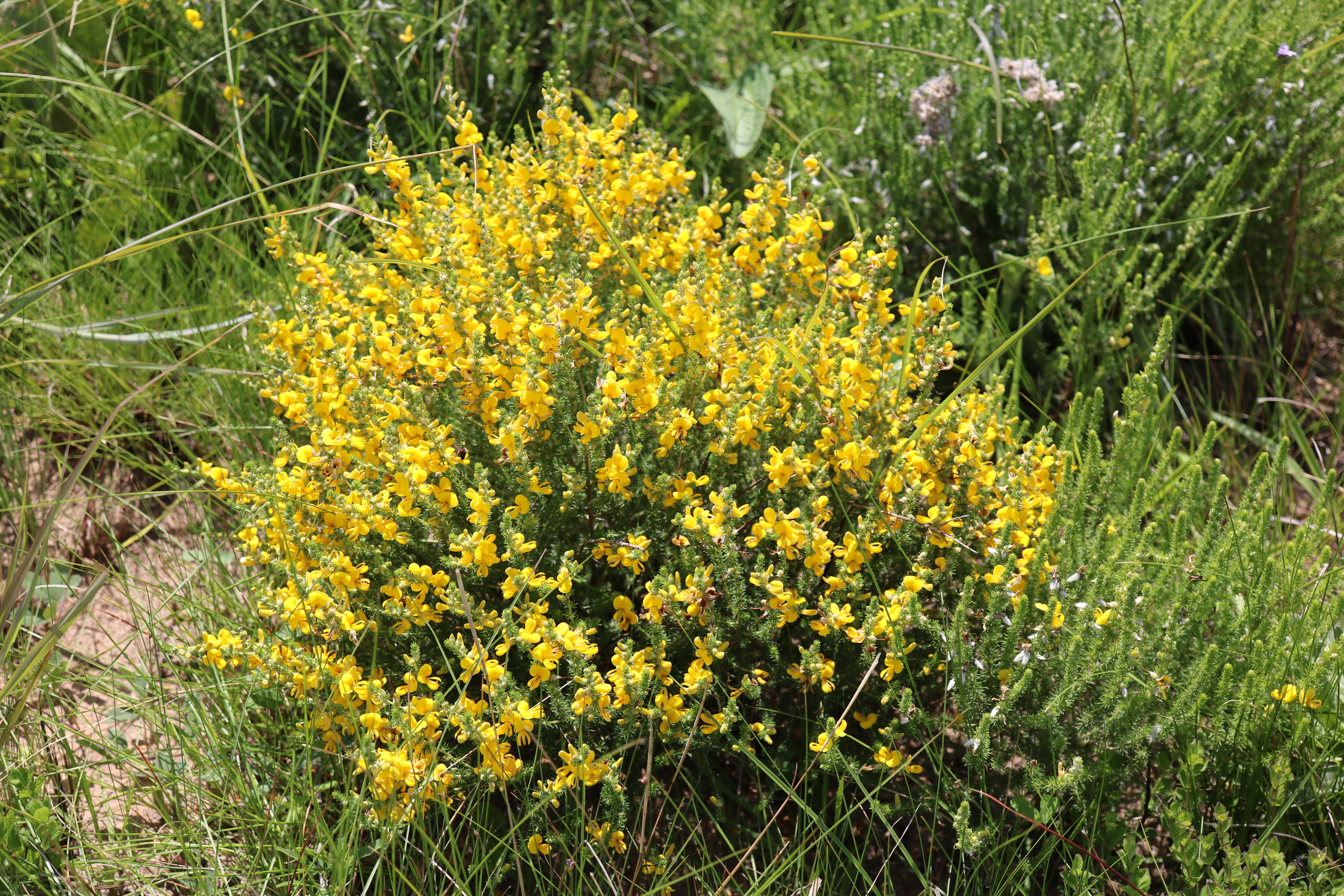
Aspalathus chortophila 
Tea Bush
FABACEAE
South African endemic


Gazania linearis var. linearis
ASTERACEAE


Zornia linearis
FABACEAE

Pterygodium sp.
ORCHIDACEAE


Helichrysum acutatum
Sticky Everlasting
ASTERACEAE


Satyrium sphaerocarpum
ORCHIDACEAE

Heliophila elongata
BRASSICACEAE
South African endemic


Satyrium longicauda var. longicauda
ORCHIDACEAE


Oxygonum dregeanum 
POLYGONACEAE
South African endemic


Asclepias albens
APOCYNACEAE

Hilliardiella nudicaulis
ASTERACEAE
South African endemic

Watsonia pillansii
IRIDACEAE
South African endemic


Prionium serratum
JUNCACEAE
South African endemic

Xyris natalensis
XYRIDACEAE


Hypoxis colchicifolia 
HYPOXIDACEAE
South African

Eriosema parviflorum
FABACEAE

Pondoland C.R.E.W./The Thursday Group
Maggie, Dorothy, Anne, Tracy, Hillary and Gail