Tuesday, 6 September 2022

Beacon Hill 1 September 2022

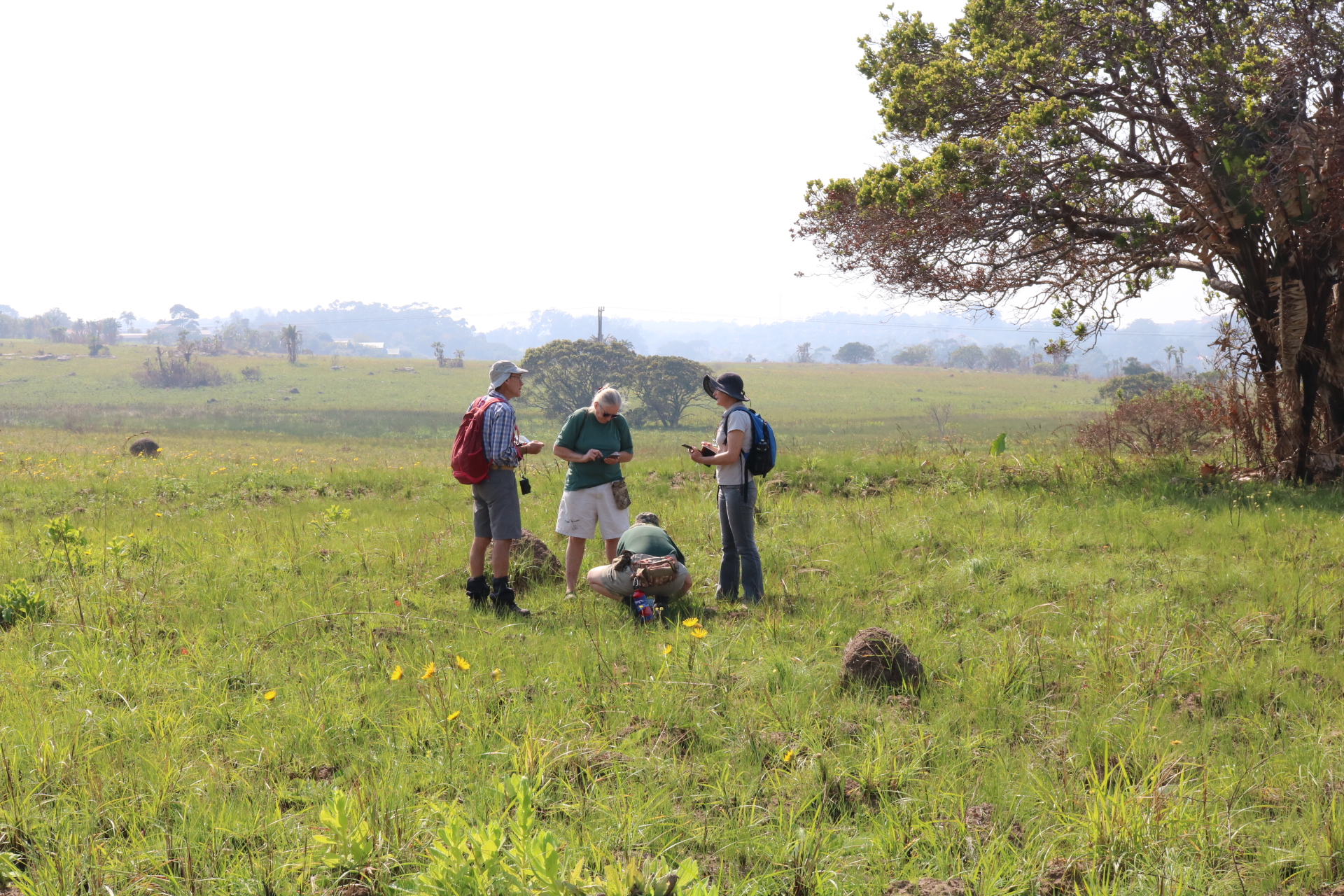
It’s Spring Day and the grass that’s burnt is a wash with colours.  To look down at one’s feet there is a ray of colour as if one’s toes are dipped into a rainbow.  In slow steps that weren’t even necessary we gazed down at various Hypoxis species and Indigofera rubroglandulosa which was so eye-catching in its deep pink. We also found Drimia echinostachya  which is in the Vulnerable A2ad; C2a(i) category.   In the veld around the office at the Umtumvuna we found Gladiolus longicollis and an abundance of Ledebouria.  Eulophia hians var. hians was the only orchid we came across that day.  Afroaster serrulatus and Tulbaghia acutiloba, Tulbaghia ludwigiana and Acalypha peduncularis were plentiful too.

It was not easy to take photos as the wind blew and in cloudy conditions we ambled up to The Beacon and admired Tricalysia capensis flowering between the rocks and in the valley a carpet of Gerbera ambiqua flowered with the back of their heads being more beautiful than the front with the pink stipes going up the petals being so eye-catching.

Having gathered on the rocks after lunch we began heading back, how much easier it was to walk through the veld that had been burnt but now green and as we  linked back onto the trail heading towards the office, we excitedly came across Drimia depressa.  Our hearts skipped in delight and this flower literally brought us to our knees.  We admired it completely and it captured us for quite a while.  We had found a single Near threatened Anemone caffra flowering amongst them.  To the right of the office fields of the Vulnerable Watsonia mtamvunae flowered.  Any person who loves the colour pink would have loved it here.  And when we thought we had seen all the flowers nestled in the rocks and fully in flower was the gorgeous Merwilla plumbea kraussii.  Another show stopper.  How wonderful it was to enjoy our botanising day in conjunction with Spring Day.


Anemone caffra
RANUNCULACEAE


Drimia echinostachya
Synonyms
  Drimia cooperi
HYACINTHACEAE
Photo credit:  Debbie and Tracy


Watsonia mtamvunae 
IRIDACEAE
Vulnerable D2

Indigofera rubroglandulosa
FABACEAE
South African endemic

Leobordea pulchra
Synonyms
:  Lotononis pulchra
FABACEAE

C.R.E.W.

Eriosema umtamvunense
FABACEAE
Endangered A2c

Merwilla plumbea kraussii
HYACINTHACEAE
Blue Squill 


Female plant

Acalypha peduncularis (male)
EUPHORBIACEAE


Tulbaghia ludwigiana
ALLIACEAE

A delighted Anne capturing the beautiful Drimia depressa.

Mark taking in the scent of the flowers.

Mark and Dorothy.  


Drimia depressa
HYACINTHACEAE

Brunsvigia grandiflora
AMARYLLIDACEAE

Boophone disticha
AMARYLLIDACEAE


Pelargonium luridum
GERANIACEAE

A typical gall that is found on Ochna serrulata 

Ochna serrulata
OCHNACEAE

Gerbera ambigua
ASTERACEAE


Gail Ross-Adams, a visitor to the group.

Welcome back Mark!

Pondoland C.R.E.W. with visitors and friends

Front:  Gail Ross-Adams, Tracy Taylor, Debbie King
Back:  Uschi Teicher, , Maggie Abbott, Dorothy McIntyre, Mark Getliffe, Anne Skelton and Gail Bowers-Winters

“It is spring again. The earth is like a child that knows poems by heart.”
― Rainer Maria Rilke


Tuesday, 30 August 2022

Red Desert 25 August 2022

It was ideal weather to botanize. We met at Red Desert which is an internationally protected heritage site.  With its red soils it is often described as a miniature version of the Arizona Desert.  It is the world’s smallest desert which lies 10 km west of the Port Edward town and is 20m in diameter and 11 hectares in its entirety.  With the excitement of orchids awakening we set forth and covering very little area we found a plethora of flowers beneath our feet.

With the area having been burnt it was easy to navigate, the only area a little tricky was that of the marsh lands and one found oneself walking like a Gymkhana on the raised areas where one was very grateful it hadn't been raining for this would have been totally inaccessible unless walking in waders and then we knew that we would have found ourselves falling onto our bottoms with a lot of laughter happening amongst ourselves.  This was the areas where the orchids like to grow and we found Satyrium longicauda and Disa similis growing amongst Kyllinga alba and Cyrtanthus brachyscyphus. The other orchids we came across were Eulophia hians var. hians and Eulophi parviflora. 

In this marshy area we found the endangered Senecio natalicola looking equally as magnificent as sunflower are.  The veld was awash in yellow which would make every pollinator deliriously happy with such a choice to choose from and little bee's as happy as Mia the Bee pollinated Lotononis bachmanniana looking as if they were wearing woolly gumboots with their legs heavy laddened with pollen.  We saw both Ledebouria coopri and Ledebouria revoluta flowering in the wet land.

The Boophone disticha had set their heavy balls in seed and Scadoux punicus was both in flower and in seed.  

The fields of yellow were of Berkeys speciosa, Berkeya insignis and Berkey umbellata, Senecio bupleuroides and Senecio glaberrimus.

We came across Ophioglossum retiulatum which is fern and growing in close proximity was Eriospepernum mackeii which can look pretty similar to an amateur botanist.  It was an interesting observation.  

Gerbera piloselloides grew erectly in the grasslands with its hairy stalk and mustard head.  Thesium natalense looked as if they were on steroids.  Miniature white heads that when looking under a magnifying glass look like cotton wool.  They looked as if they had had snow falling on them. 

With the sun directly above our heads we found some rocks on which we sat to have our lunch gazing down at the Merwilla plumbea and Bulbine asphodeloides.  We looked up to find Matt Williams, the owner of the farm come to say hello and to see what we had found.  We jumped across the stream and on the slopes we found Xymalobium involucratum, Asclepias praemorsa and Raphionacme galpinii flowering.  A little further up the delicate Polygala gracilenta.  Graceful it certainly was.  Sencio variabilis with its blue heads was certainly eye catching and like Scabiosa columbaria it has dimorphic leaves. Dorothy brought our attention to the miniscule flowers on Gnidia nodiflora, again something only to be appreciated under a magnifying glass and easy to walk past without observing.  

It certainly was a wonderful day botanzing with friends amongst fields of flowers.


Senecio natalicola
ASTERACEAE
Endangered B1ab(iii)

Pelargonium luridum
GERANIACEAE 


Gnidia nodiflora
THYMELAEACEAE


Helichrysum griseum
ASTERACEAE


 Eriosema kraussianum


Afroaster serrulatus 
ASTERACEAE


Polygala gracilenta
POLYGALACEAE

Cyrtanthus brachyscyphus
AMARYLLIDACEAE

Our dear Maggie wading through the marshlands.


Looking for orchids in the marsh.


Satyrium longicauda
ORCHIDACEAE

Eulophia hians var. hians
ORCHIDACEAE


Disa similis
ORCHIDACEAE

Eulophia parviflora
ORCHIDACEAE

Kyllinga alba
CYPERACEAE

Anne walking between the Syzigium cordatum's.


Thesium natalense
SANTALACEAE


Gladiolus longicollis
IRIDACEAE


Asparagus africanus
ASPARAGACEAE


Xysmalobium involucratum
APOCYNACEAE

Coleus hadiensis (Plectranthus hadiensis)
LAMIACEAE

Hilliardiella hirsuta
Quilted-leaved Vernonia
ASTERACEAE


Asclepias praemorsa
APOCYNACEAE


Raphionacme galpinii
APOCYNACEAE 

Seed head.

Gladiolus longicollis
IRIDACEAE

Matt and Anne

Merwilla plumbea
Blue Squill
HYACINTHACEAE
Near Threatened A2bd


Bulbine asphodeloides
ASPHODELACEAE 


Ledebouria revoluta
HYACINTHACEAE


Berkheya umbellata
ASTERACEAE 


Hilliardiella elaeagnoides
Vernonia oligocephala
Bicoloured Vernonia
ASTERACEAE


Dimorphic leaves

Scabiosa columbaria
DIPSACACEAE


Afroaster hispidus
ASTERACEAE


Berkheya insignis
ASTERACEAE

Berkheya speciosa
ASTERACEAE 


Gerbera piloselloides
ASTERACEAE

Tracy, our second Meerkat.

Callilepis laureola
Ox-eye Daisy
ASTERACEAE


Convolvulus natalensis
CONVOLVULACEAE


Eriosema salignum
FABACEAE

Dyschoriste burchellii
ACANTHACEAE


Scadoxus puniceus
Snake Flower
AMARYLLIDACEAE


Boophone disticha seed head
AMARYLLIDACEAE


Eriosema preptum
FABACEAE
South African endemic


Lotononis bachmanniana
FABACEAE
Near Threatened A4c; B1ab(iii)+2ab(iii)


Ledebouria cooperi
HYACINTHACEAE 


Eriospermum mackenii
RUSCACEAE

Senecio oxyriifolius
False Nasturtium
ASTERACEAE


Argyrolobium tuberosum
Little Russet Pea
FABACEAE


Senecio glaberrimus
ASTERACEAE 

Gerbera ambigua
ASTERACEAE


Aristea sp.


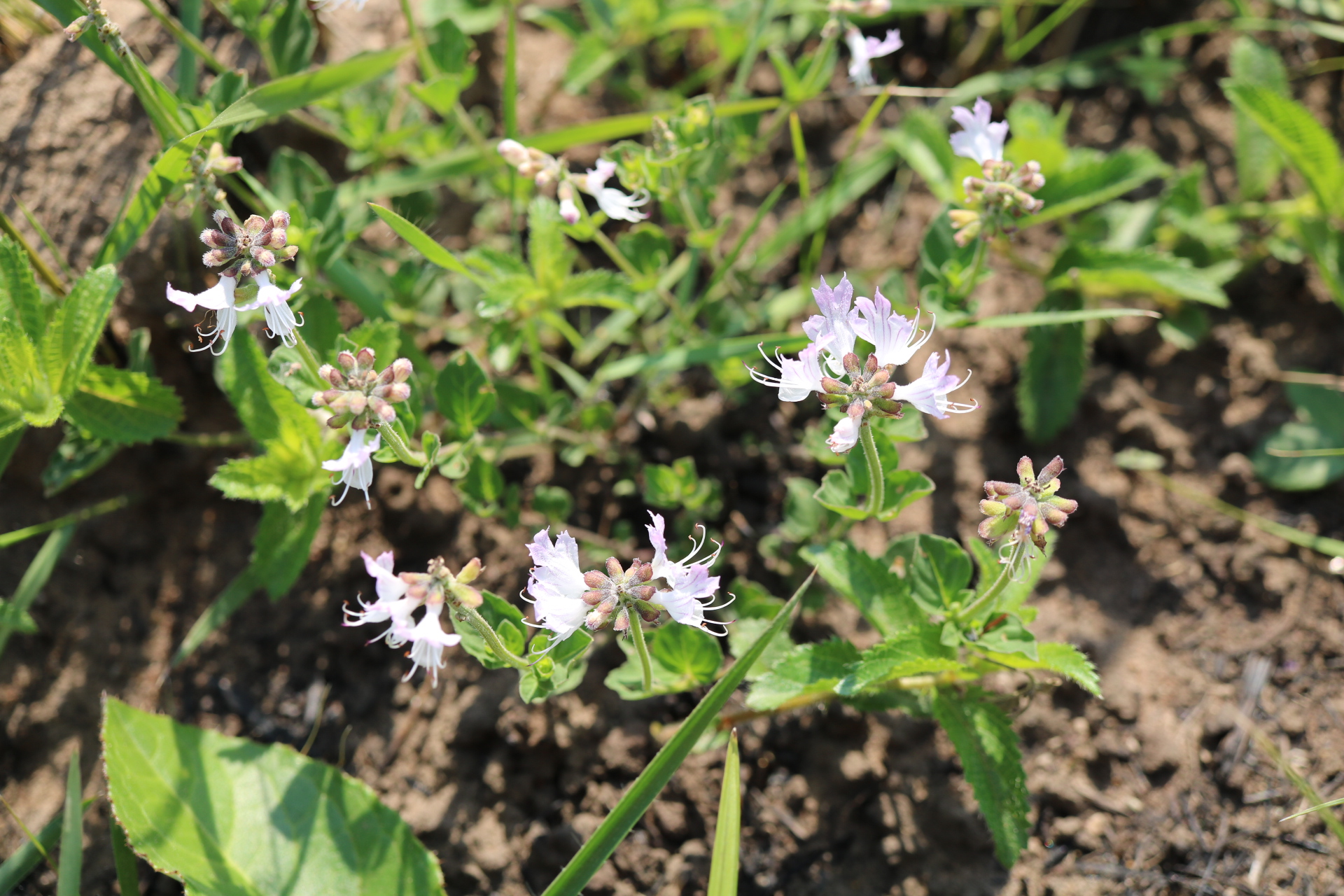
Ocimum obovatum subsp. obovatum
Cat's Whiskers 
LAMIACEAE


Hibiscus aethiopicus 
MALVACEAE


Eugenia albanensis
MYRTACEAE


Bulbine aspholaloides
ASPHODELACEAE


Senecio bupleuroides
ASTERACEAE

Hypoxis hemerocallidea
Yellow Star
HYPOXIDACEAE

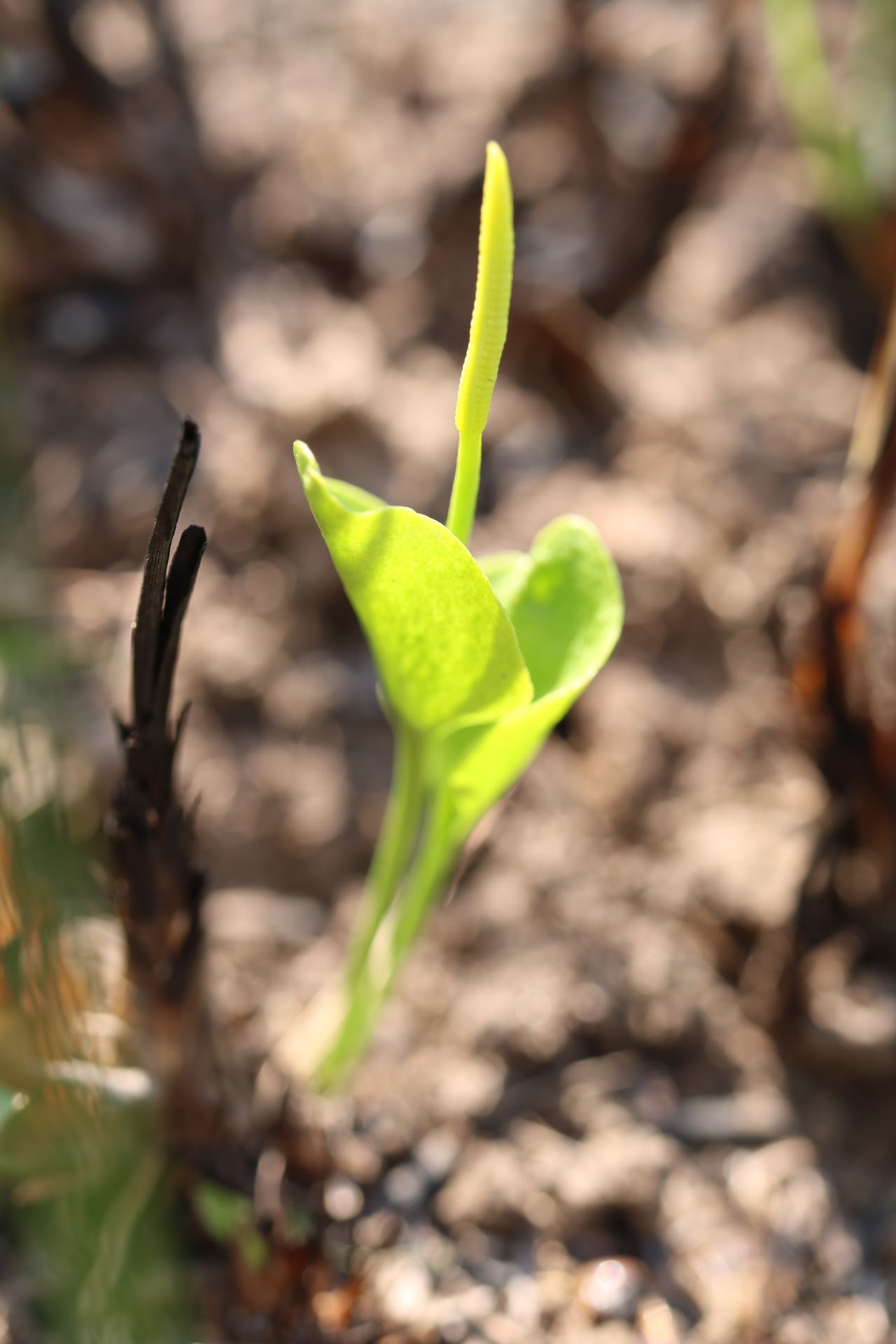
Ophioglossum reticulatum
Ferns
OPHIOGLOSSACEAE

C.R.E.W.


Chlorophytum saundersiae
Weeping Anthericum 
AGAVACEAE

Commelina erecta
COMMELINACEAE


Aspidoglossum carinatum
Synonym:  Schizoglossum carinatum
 
APOCYNACEAE


Heliophila elongata
BRASSICACEAE


Senecio variabilis
ASTERACEAE


Flowers flowers everwhere!

Pondoland C.R.E.W.

Gail Bowers-Winters, Tracy Taylor, Mathew Williams, Dorothy McIntyre, Anne Skelton, Debbie King, Maggie Abbott and Alf Hayter.

"Even though a flower's life is but a short while, it leaves a significant impact on the world". - Unknown